
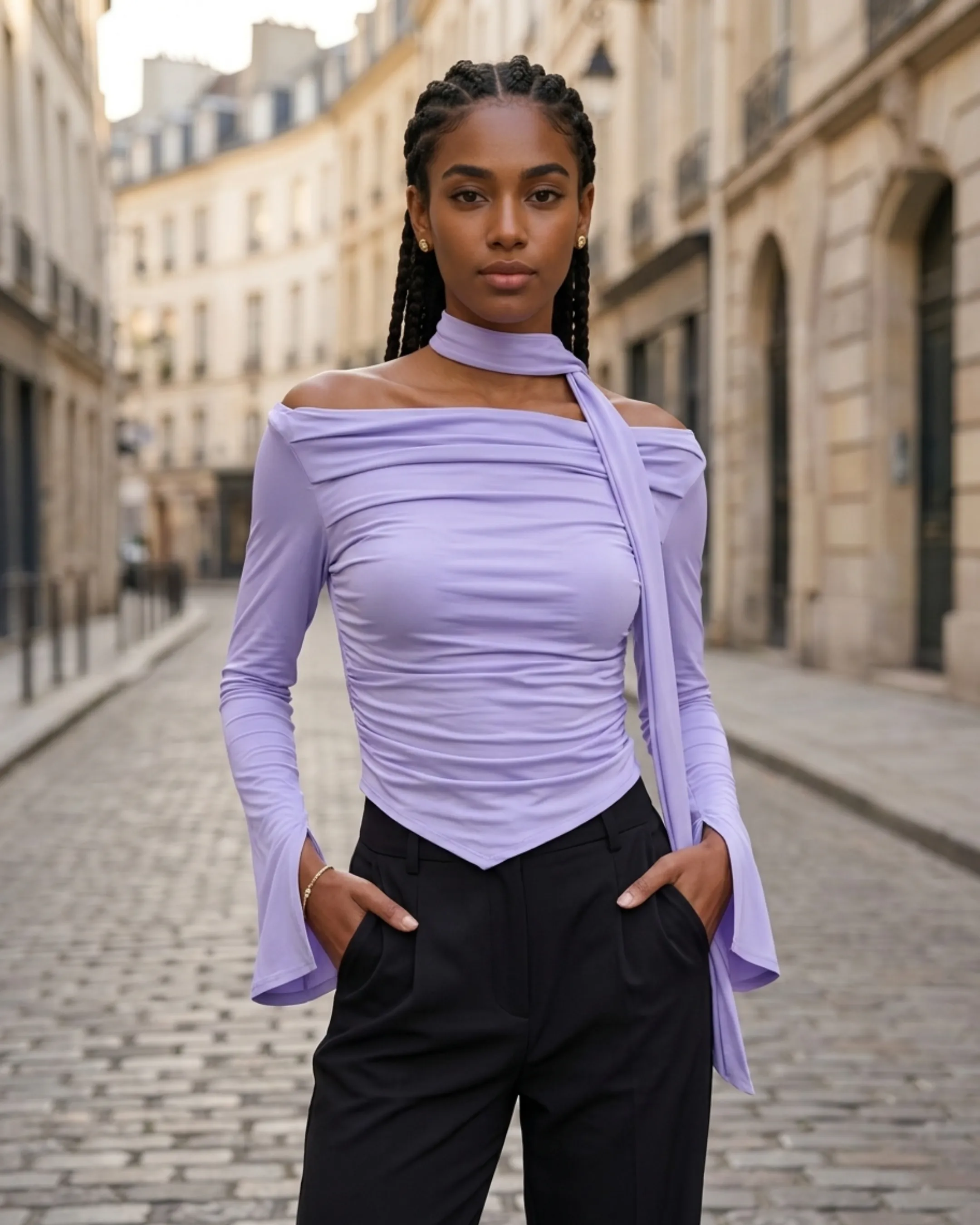
 visuals_1.webp
Catalogue
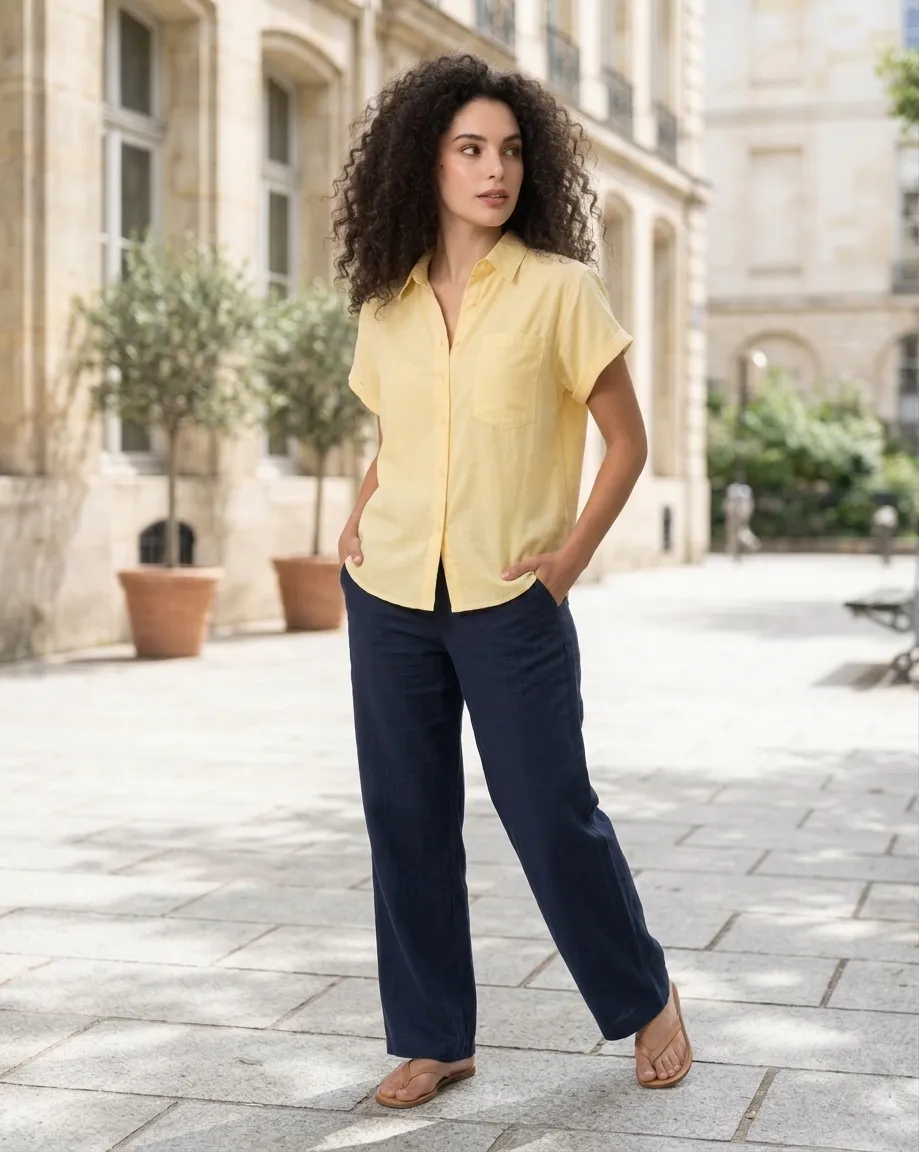
Product pages and marketplace listings, cut to each platform's spec and consistent all the way down the grid.
Apparel Intelligence
Apparel Intelligence turns one flat-lay into every image, listing and language your product needs. Same model, same light, same look across the entire range — usually in under a minute.
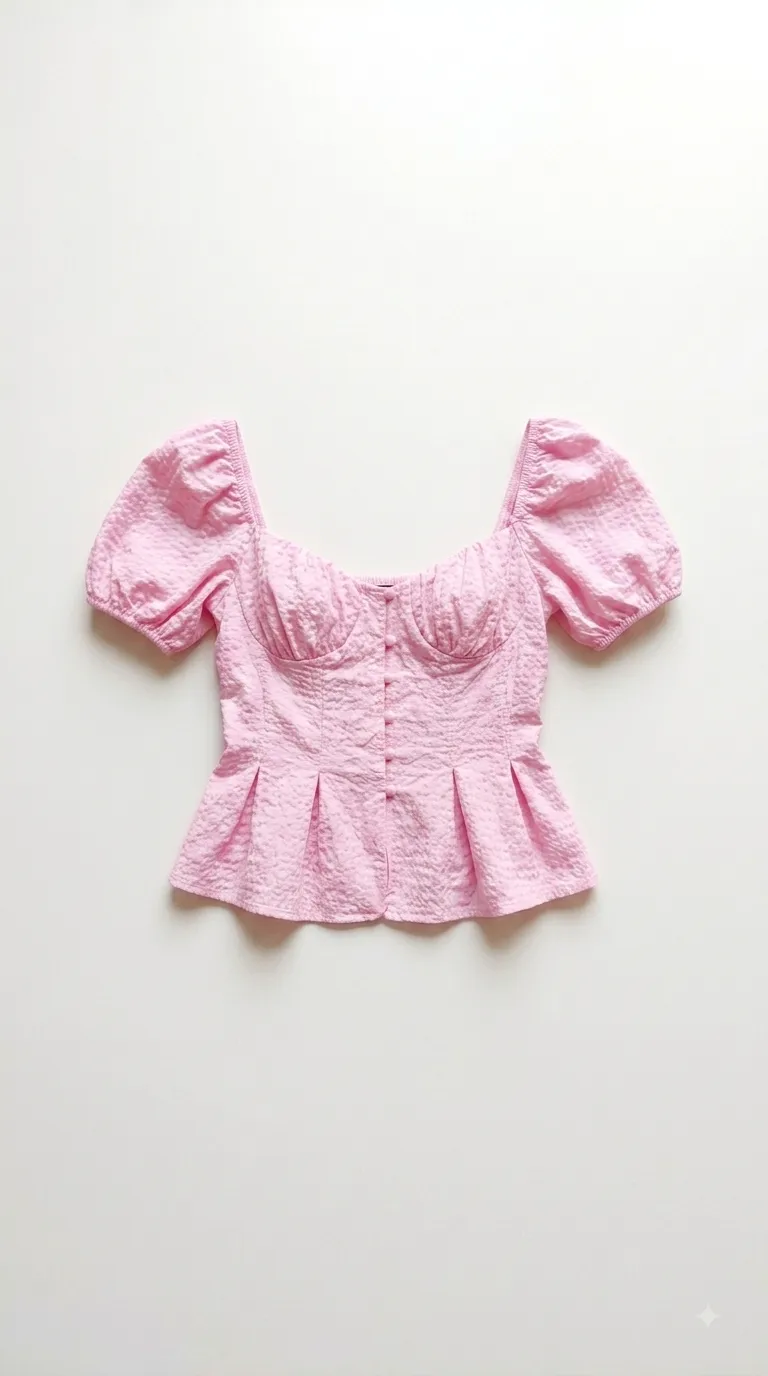 hero-before-flatlay.jpg1200 × 1500
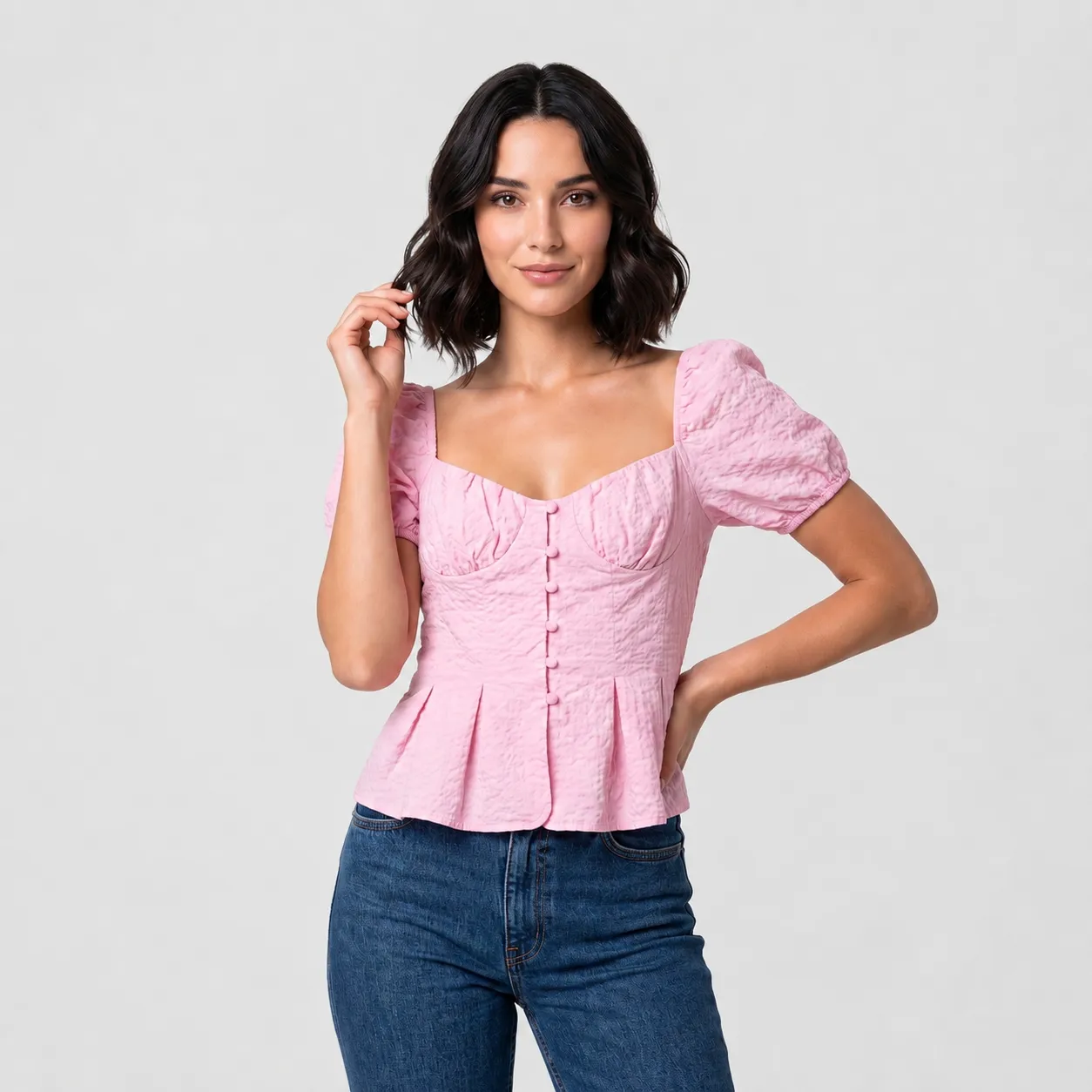 hero-after-model.jpg1200 × 1500
Drag the light across
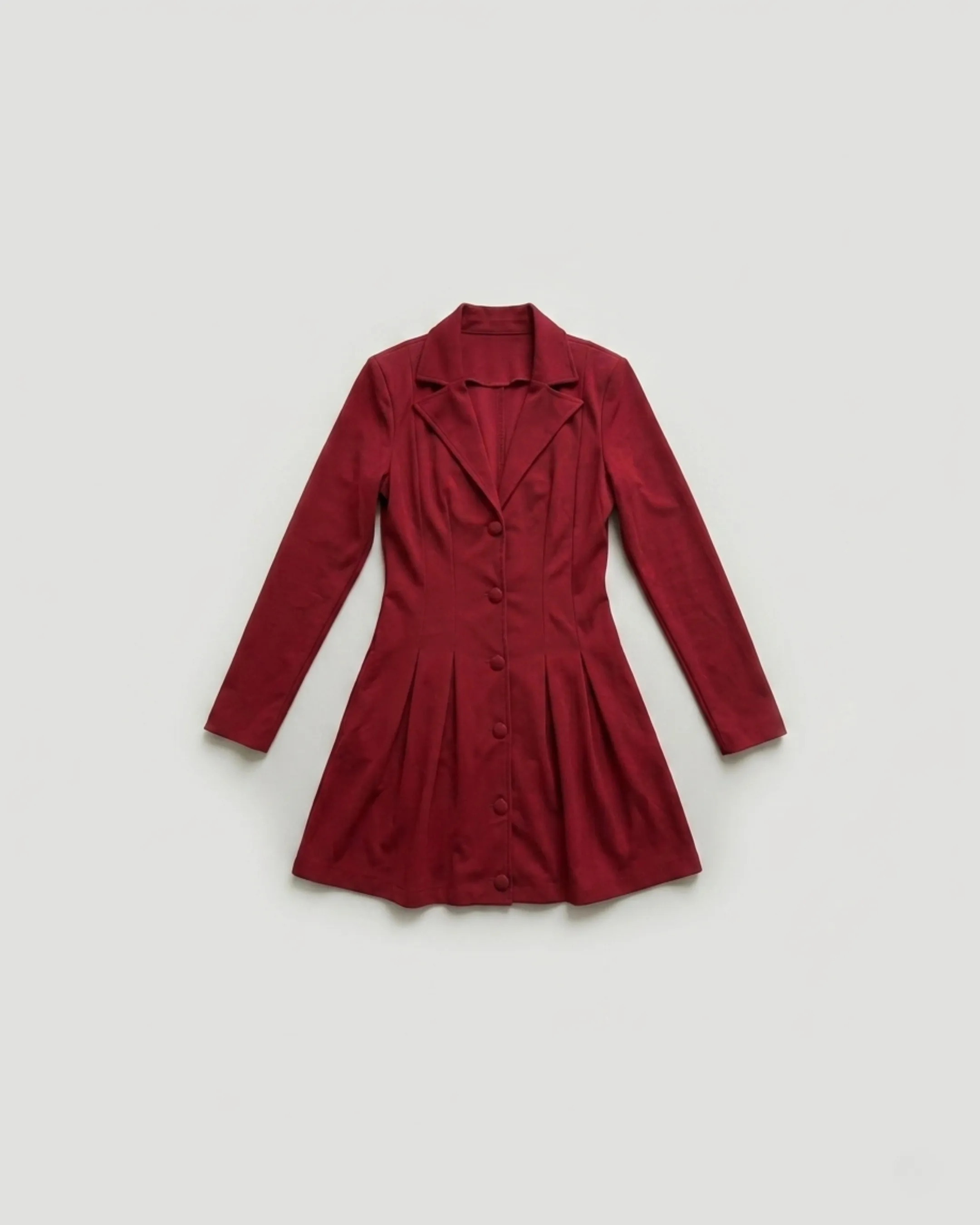
One upload
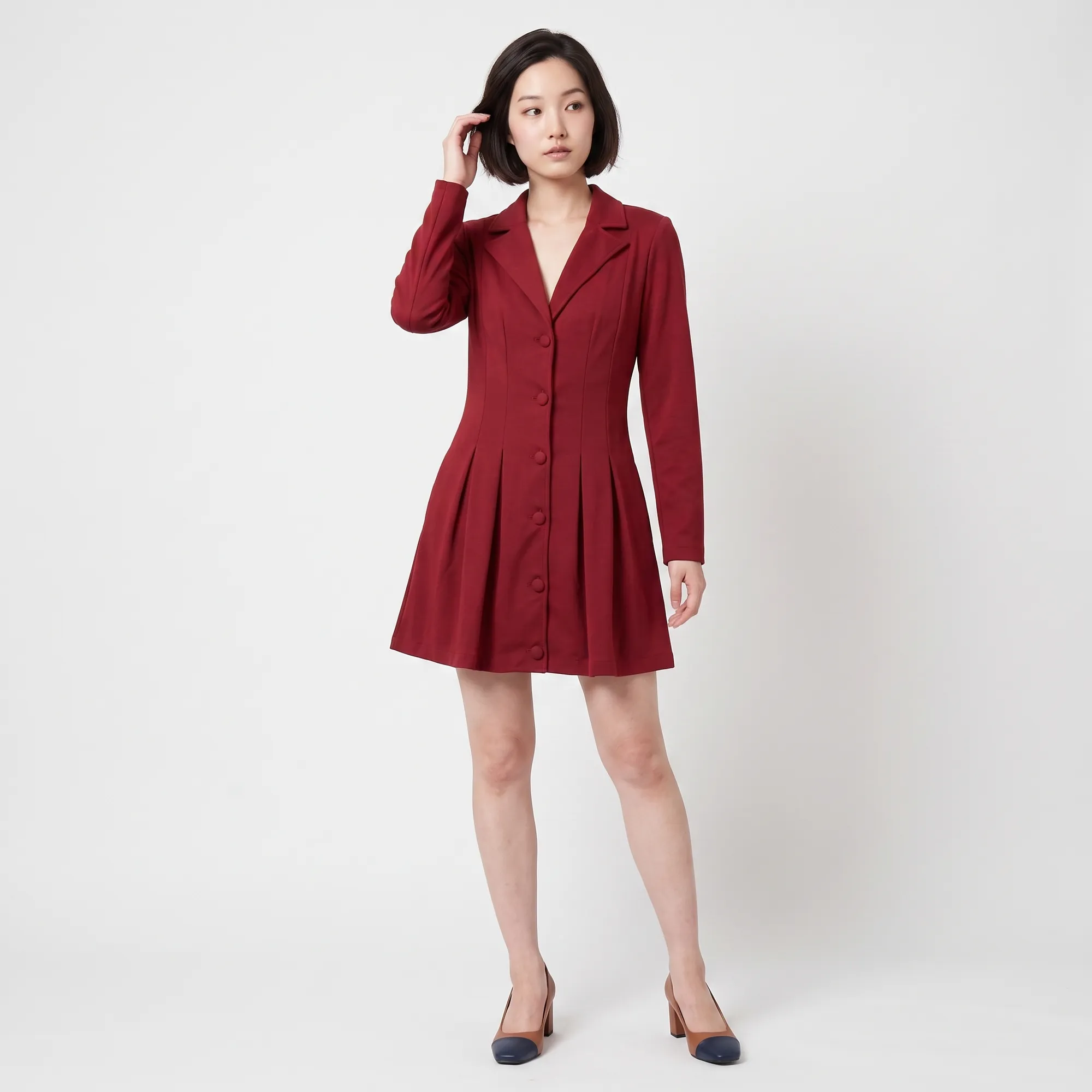
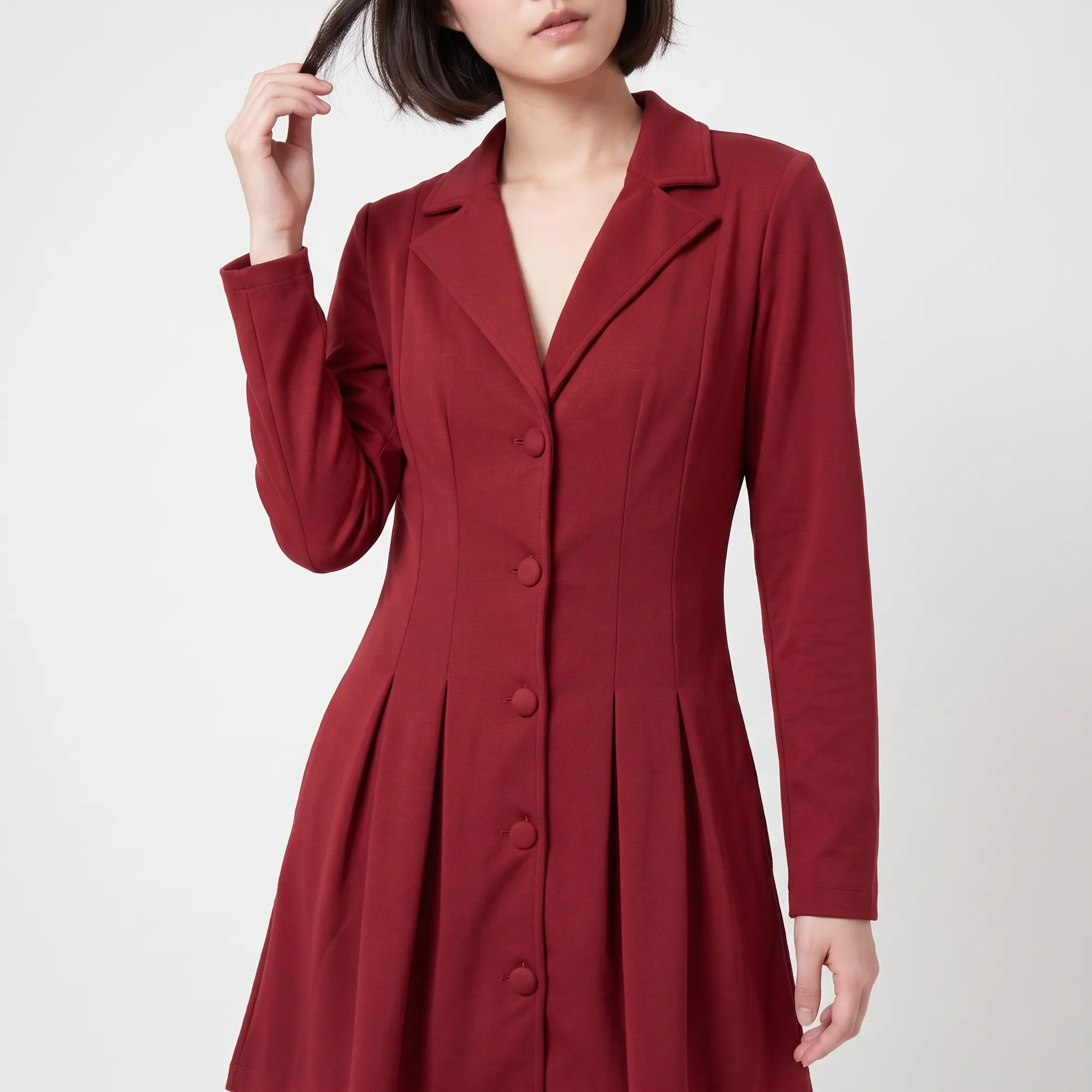
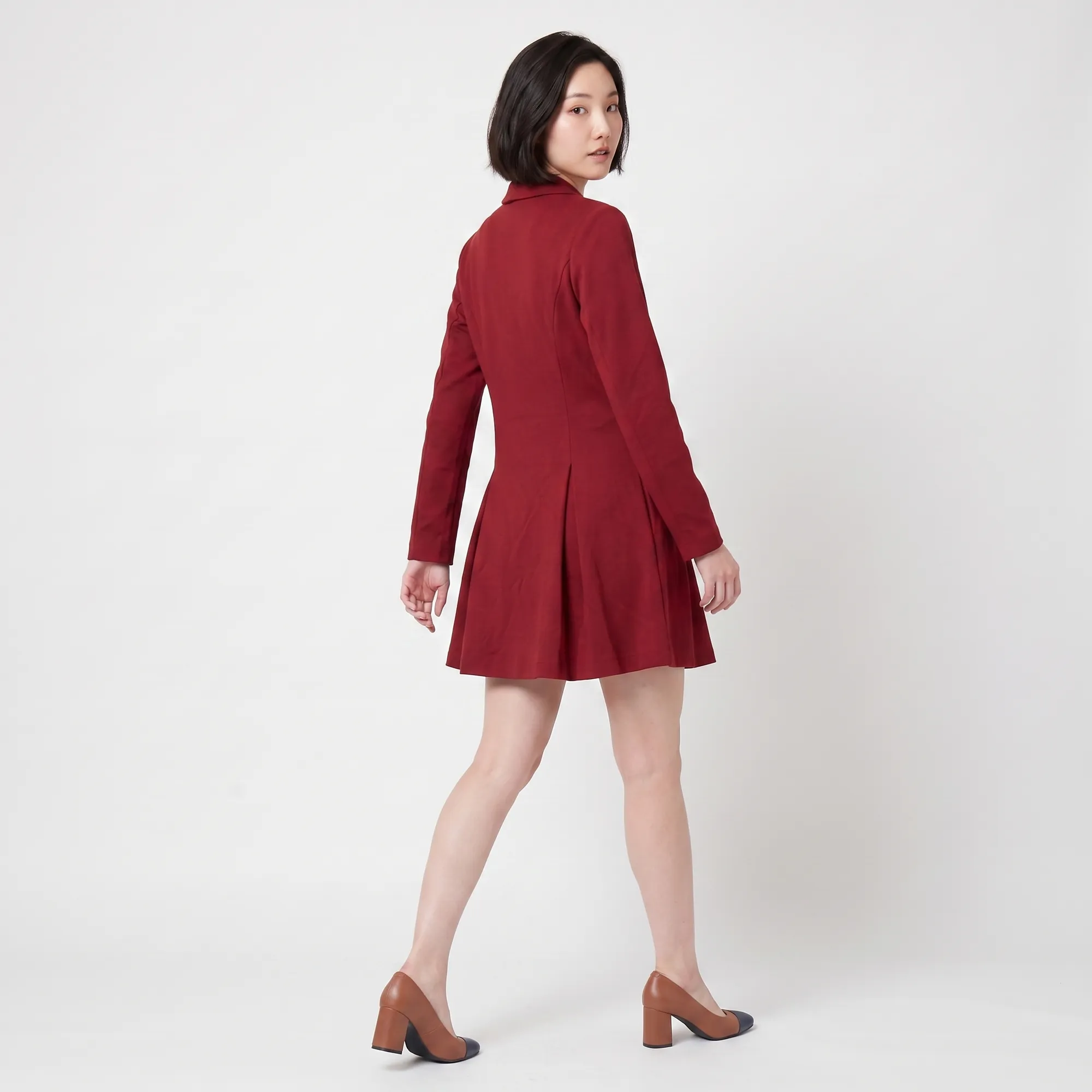
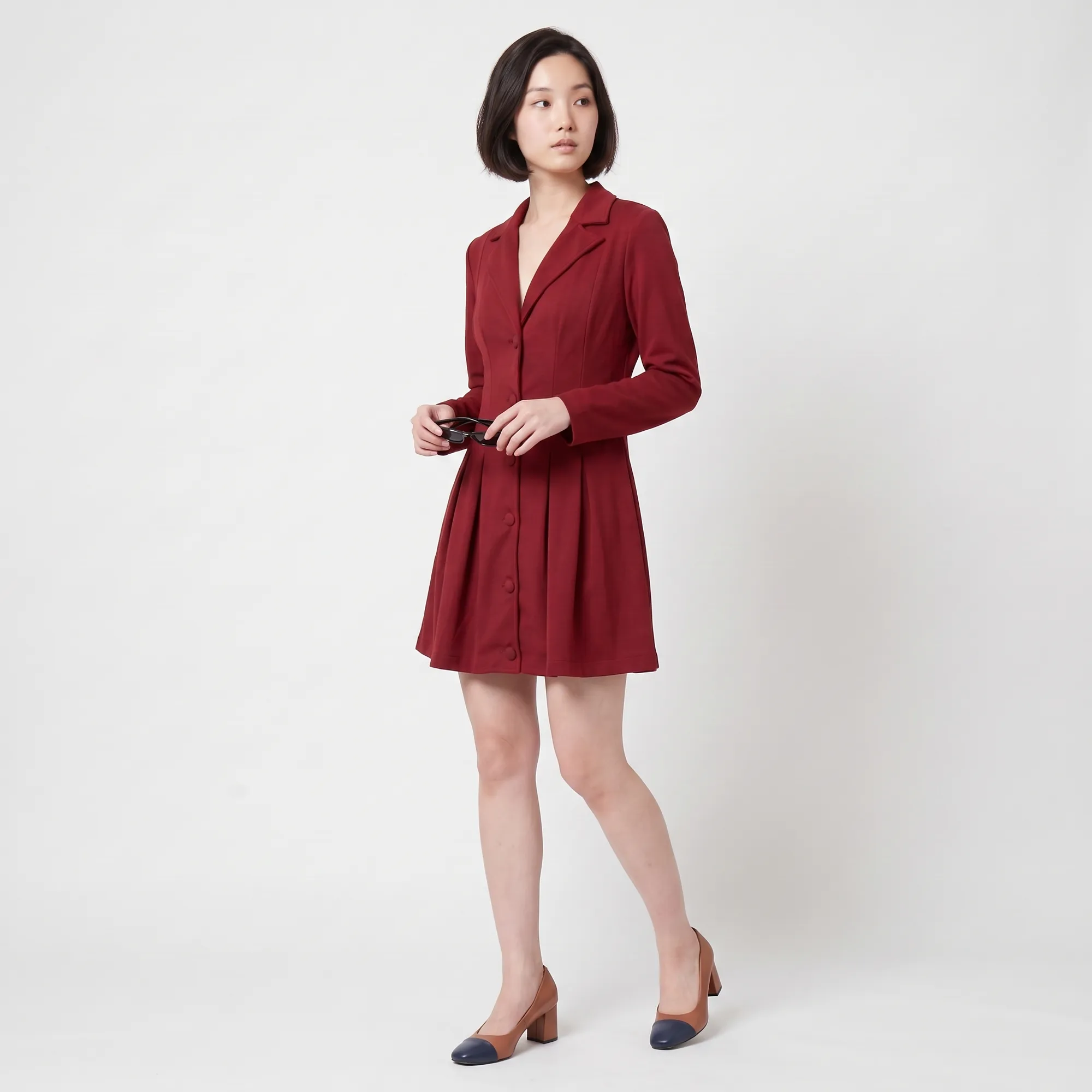
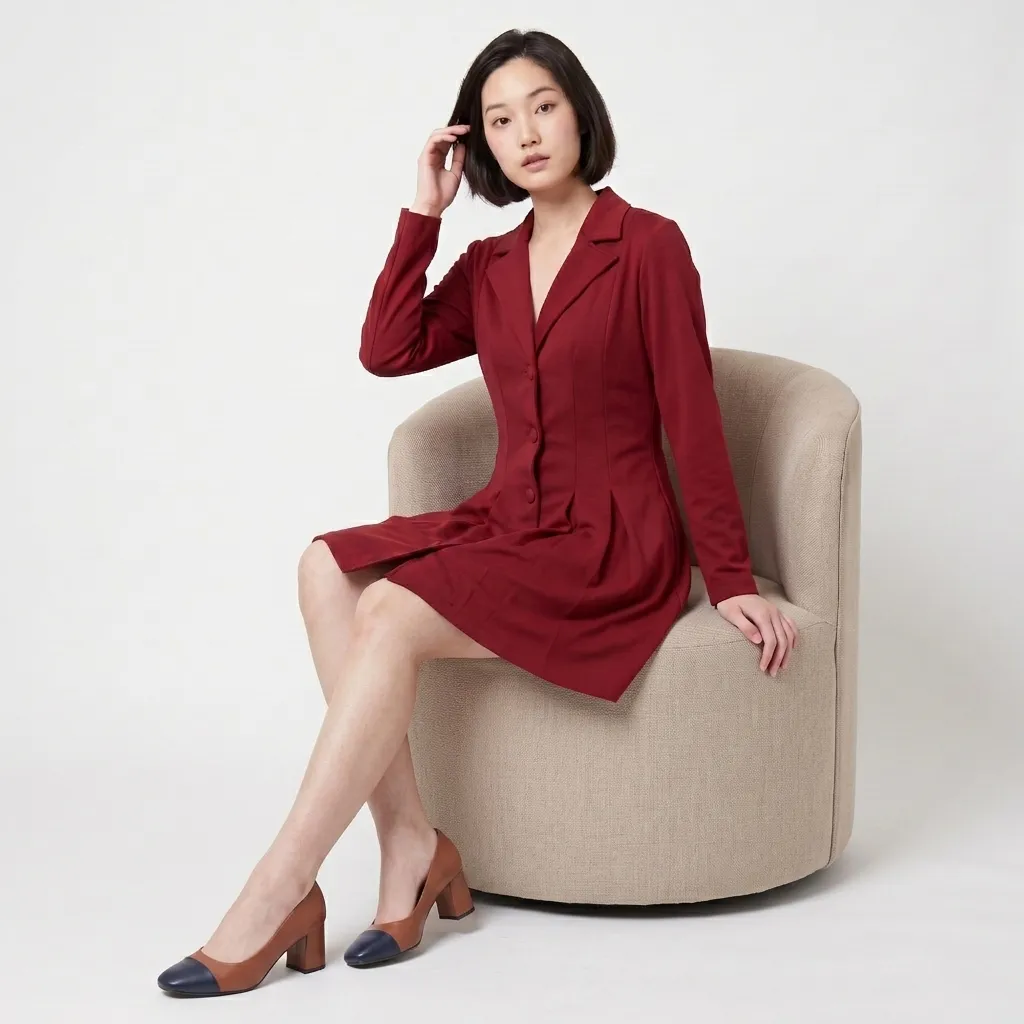
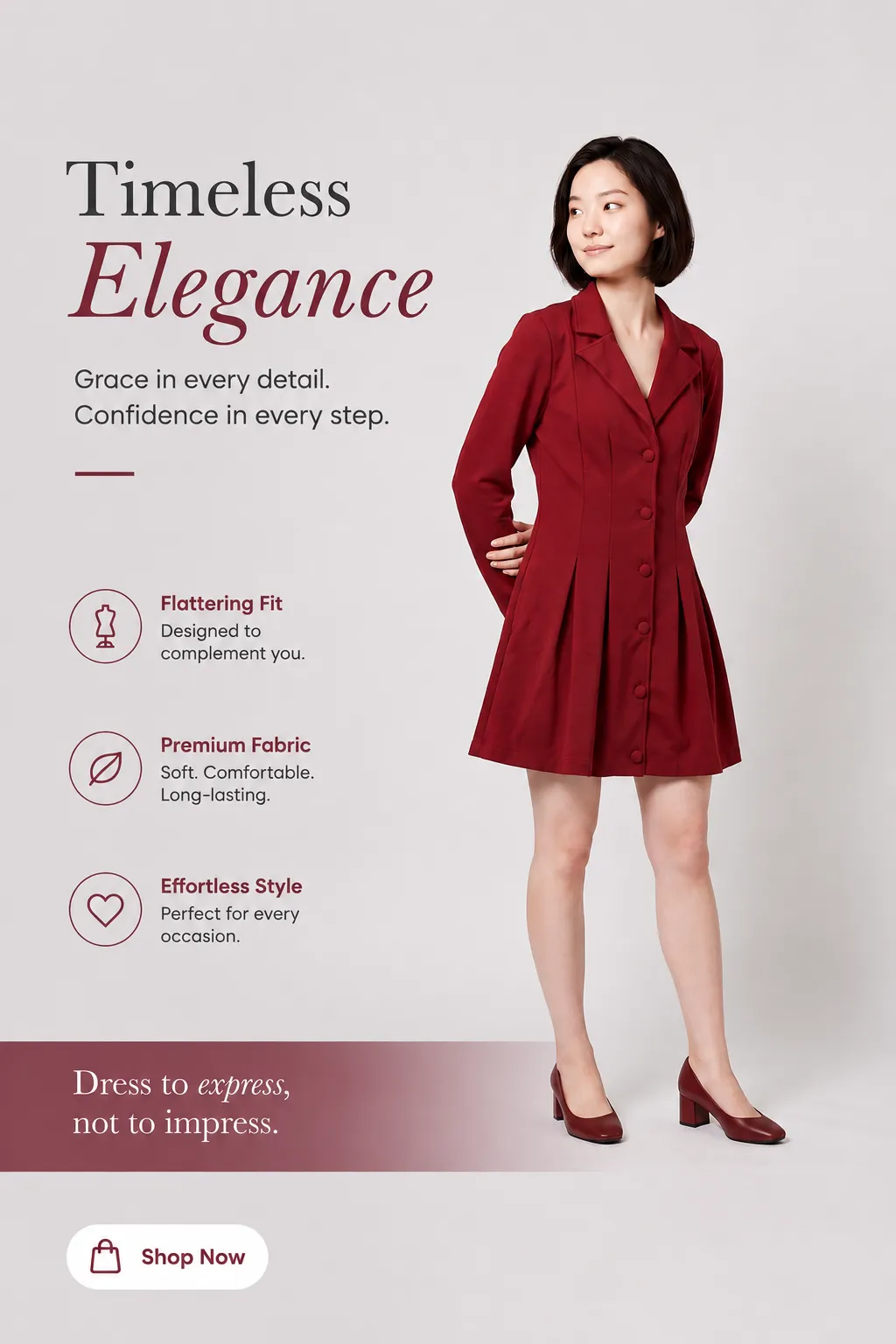
Every angle, crop and model your listings need — generated from the single garment shot you started with.
 upload_1.webp
 upload_2.webp
 upload_3.webp
 upload_4.webp
 upload_5.webp
 upload_6.webp
 upload_7.webp
Customers
 testimonial_1.webp
 testimonial-peek-2.jpg
 rivaayat-logo.svg
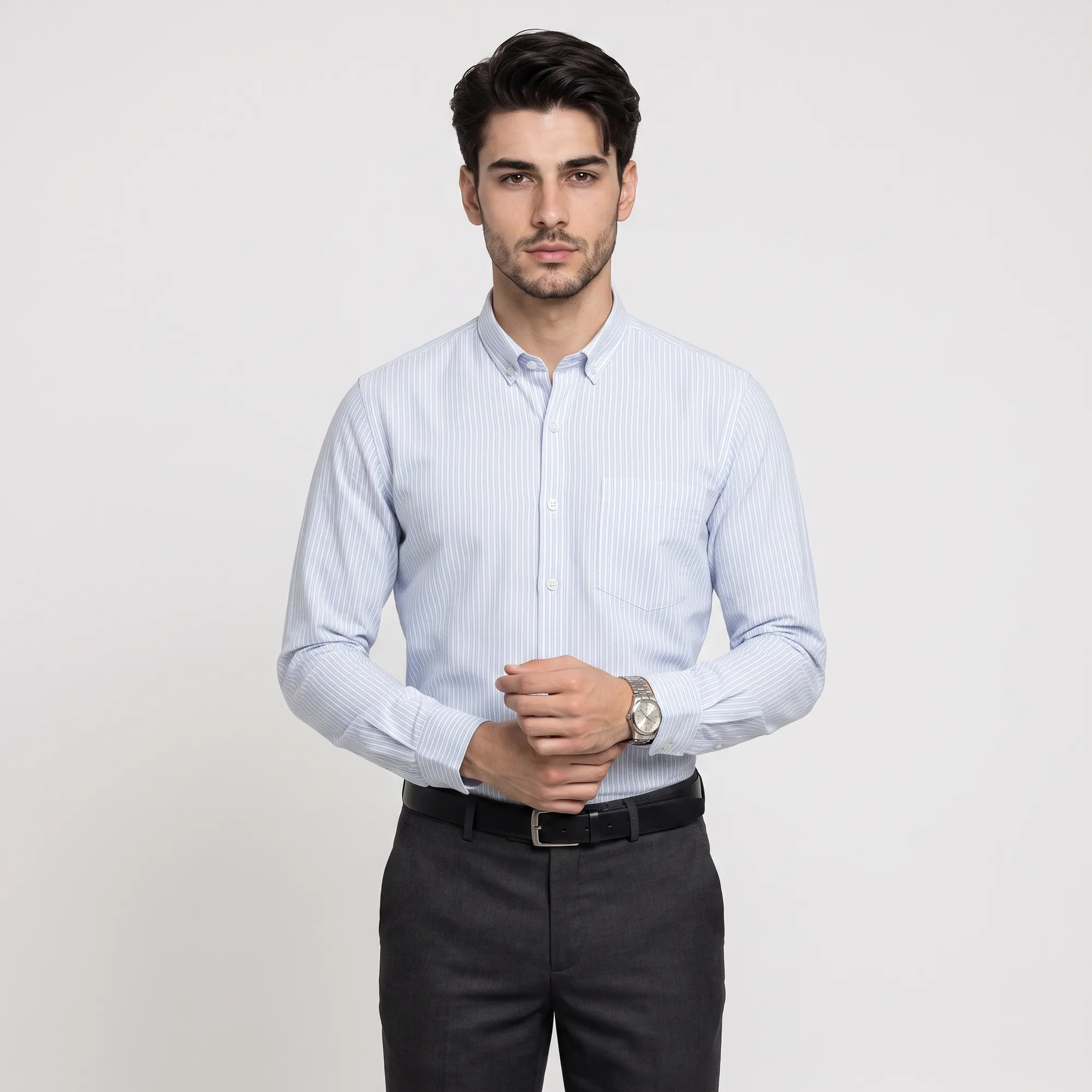
“A 300-piece drop went live in one afternoon. The studio quote for that same shoot was three weeks and ₹4.2 lakh.”
 mehr-logo.svg
Print placement is what sold us. Every other tool we triedsmeared the artwork the moment it wrapped the fabric around a body.
 atelier-logo.svg
Same model across 600 SKUs. Our product grid finally looks like one brand instead of six different shoots stitched together.
How it works
No studio booking, no model call sheet, no retoucher waiting on files. Upload in the morning, list by lunch.
New garment
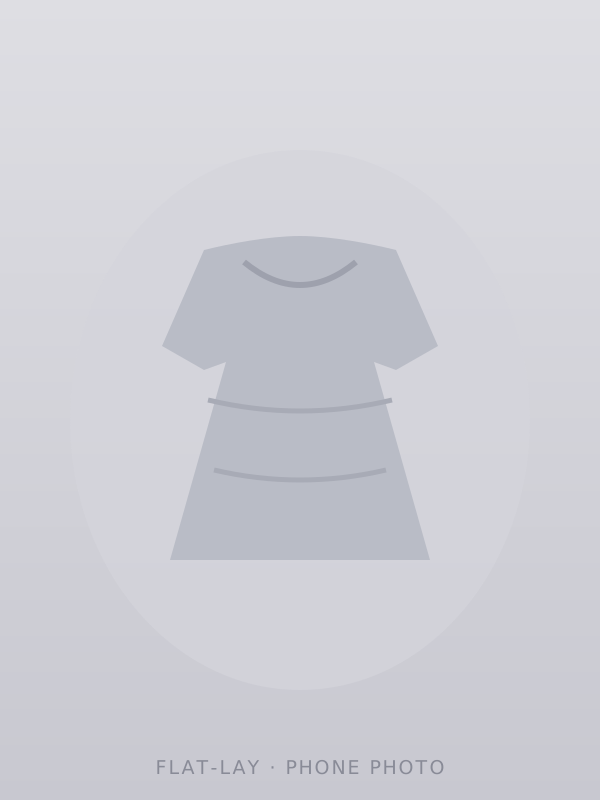 flatlay.jpg
Pose library 128 poses
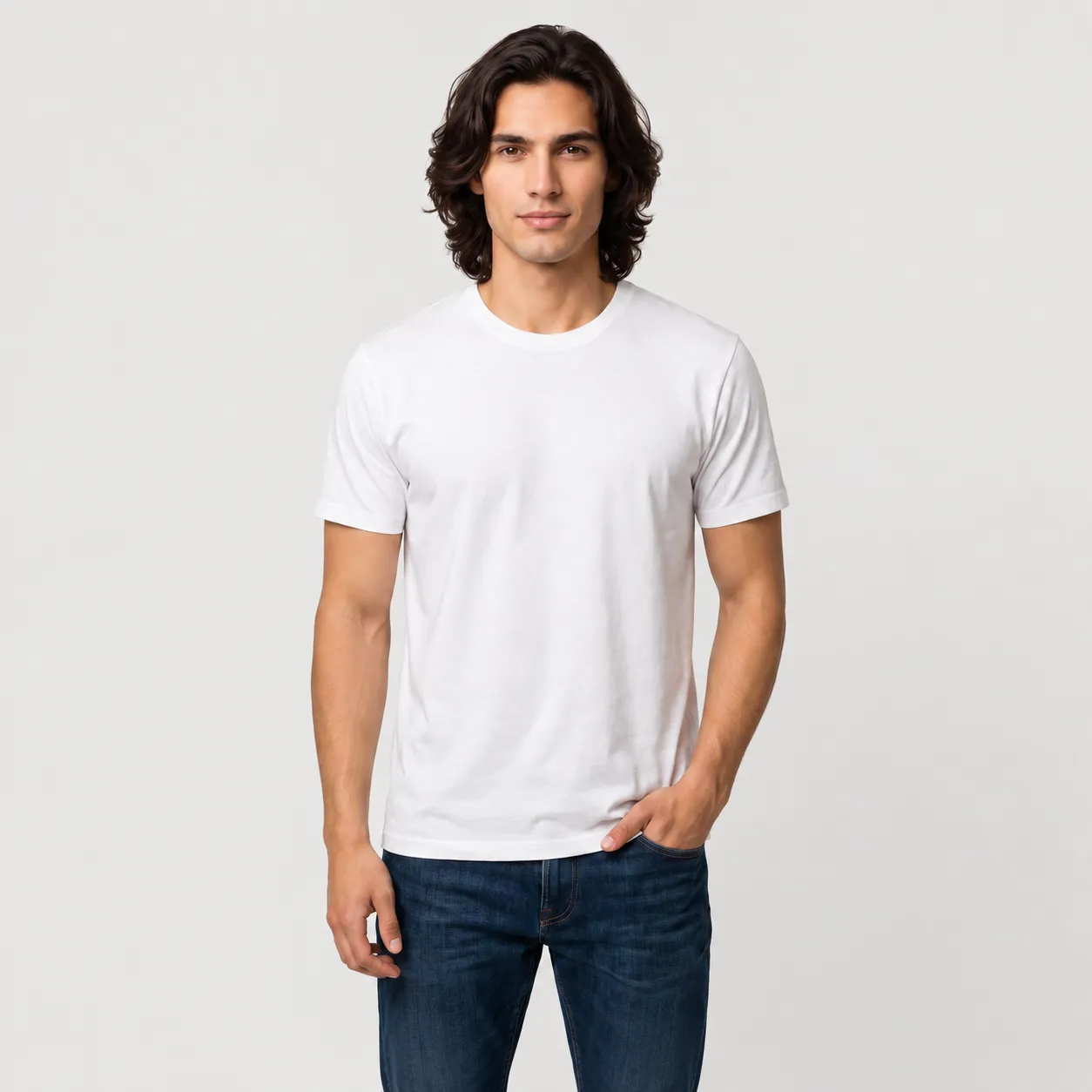 pose_1.webp
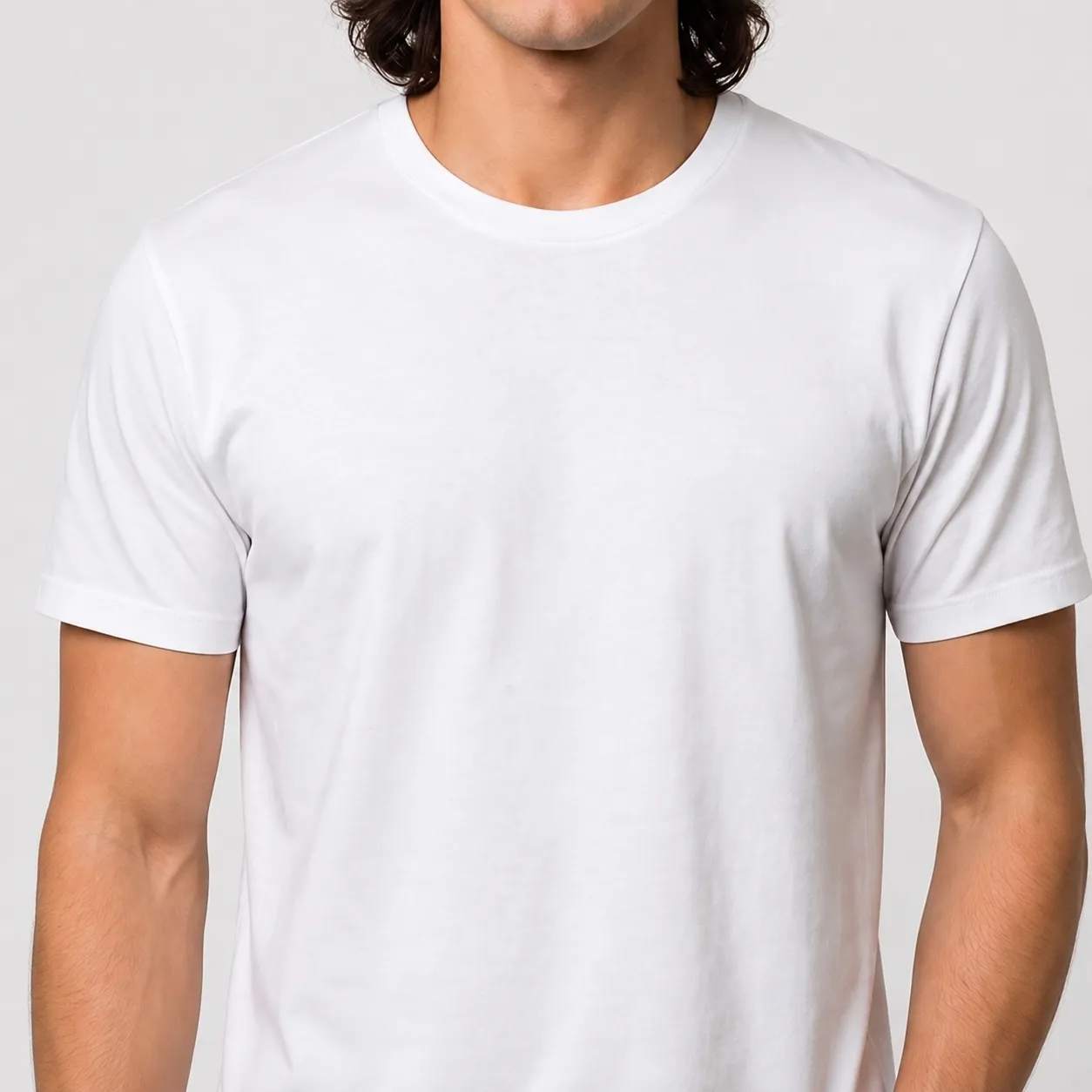 pose_2.webp
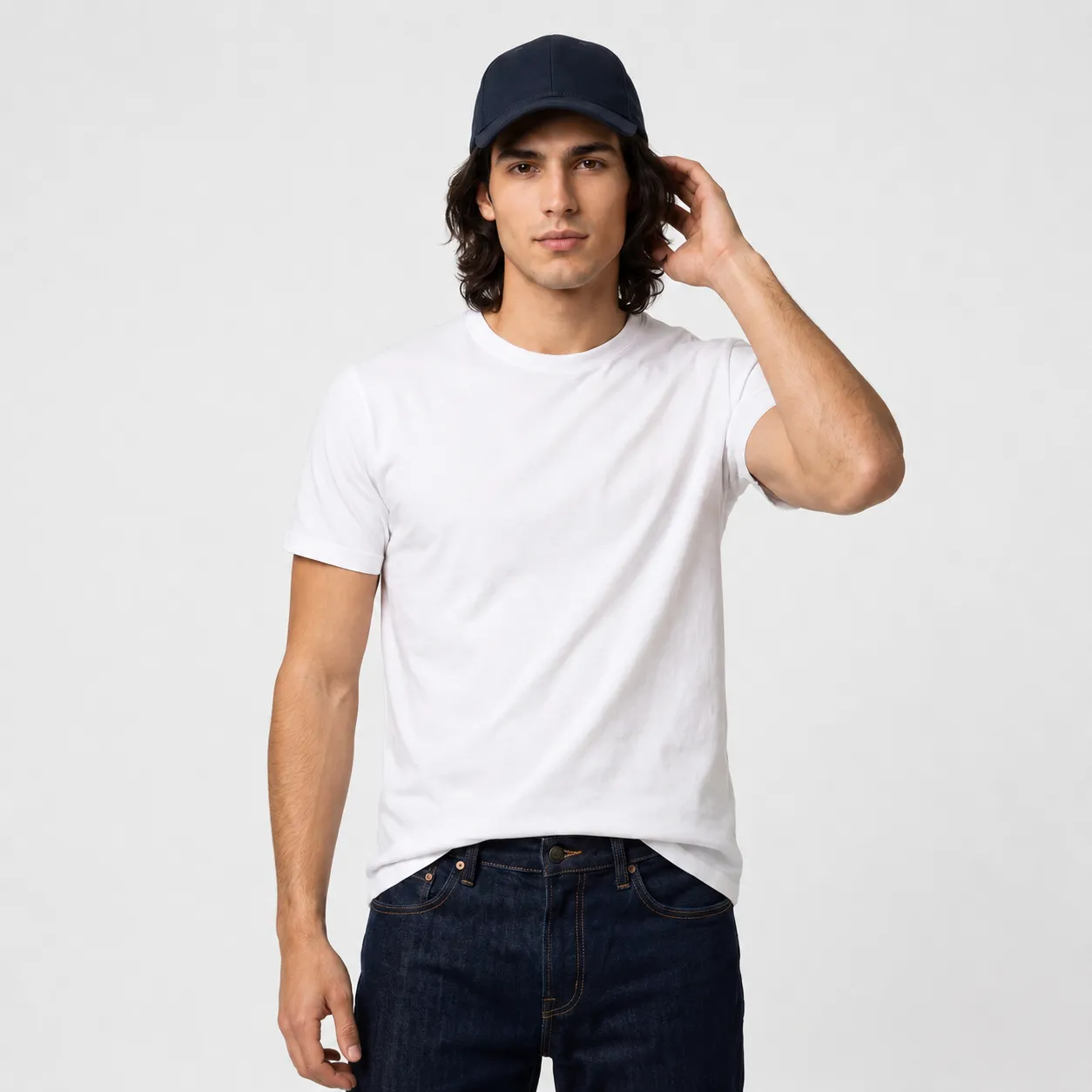 pose_3.webp
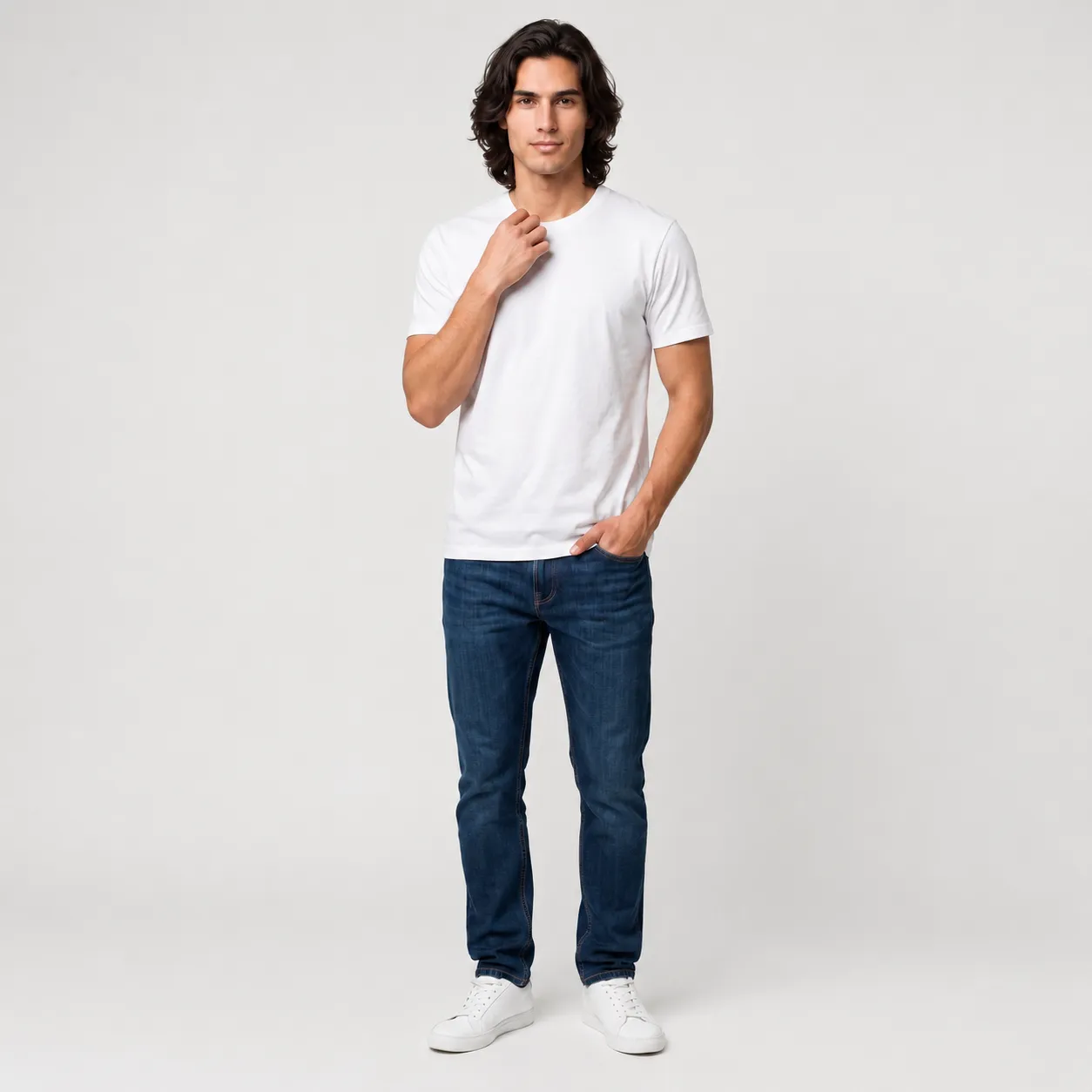 pose_4.webp
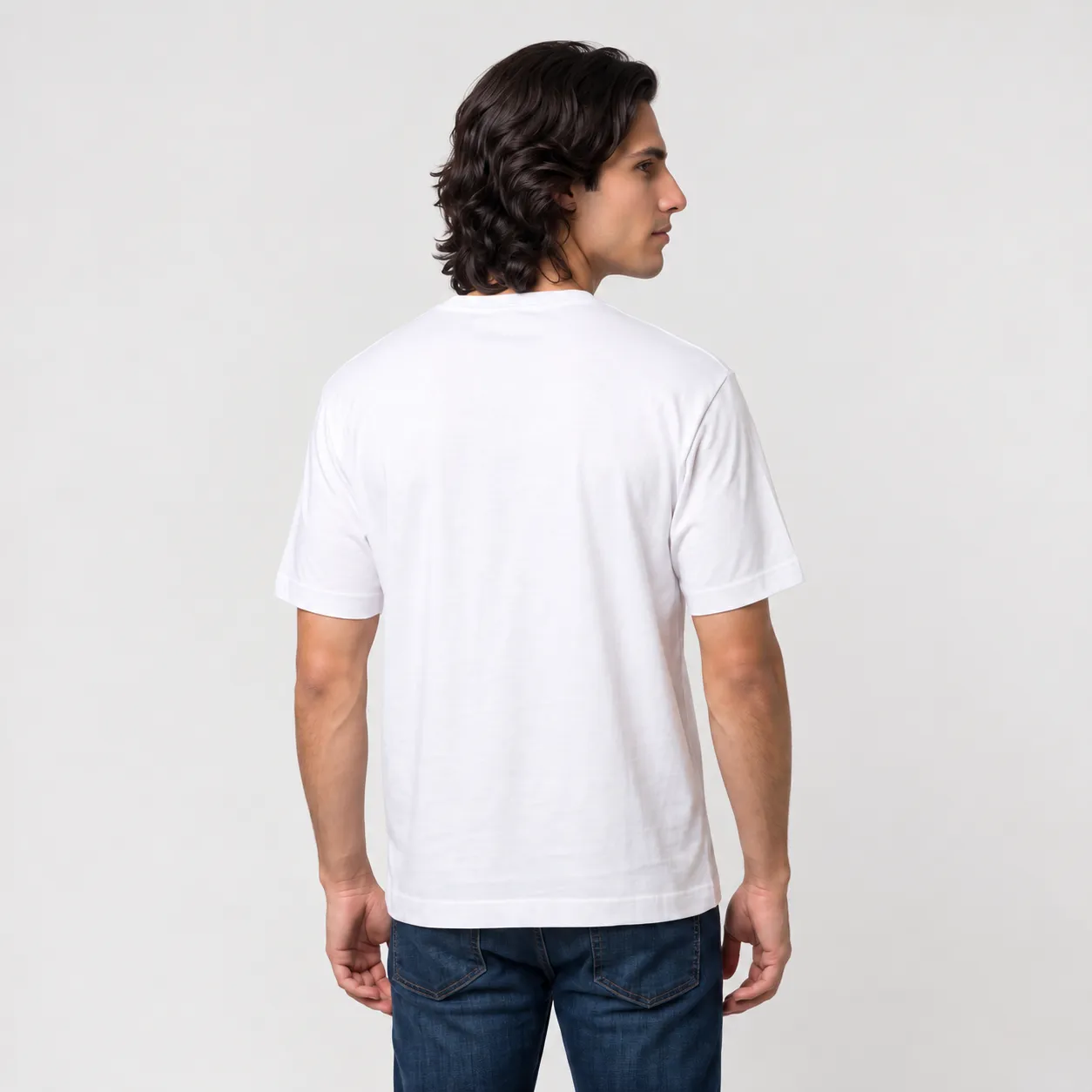 pose_5.webp
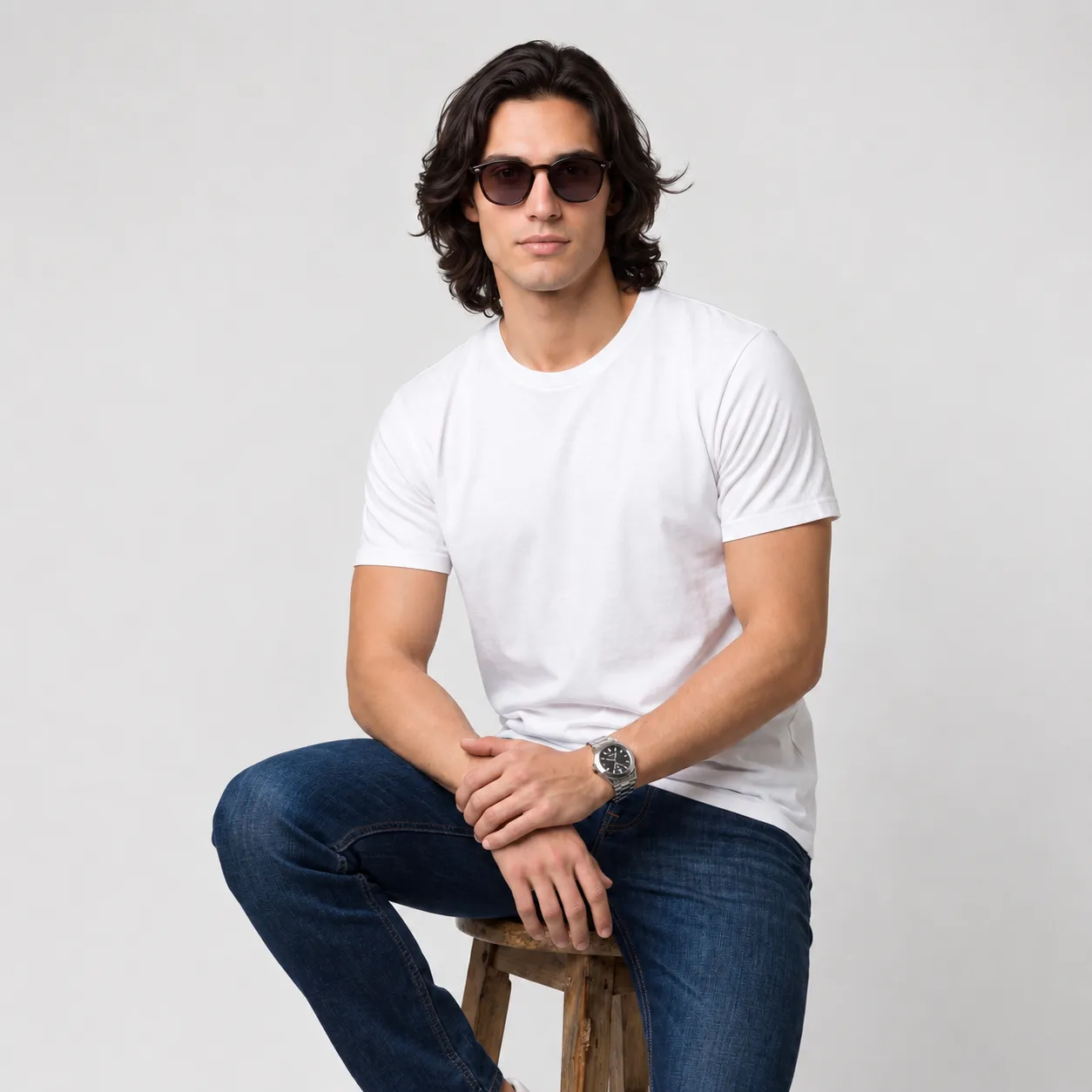 pose_6.webp
Backdrop
Footwear
 heels
heels sandals
 sneakers
 boots
bootsRendering on a studio backdrop…
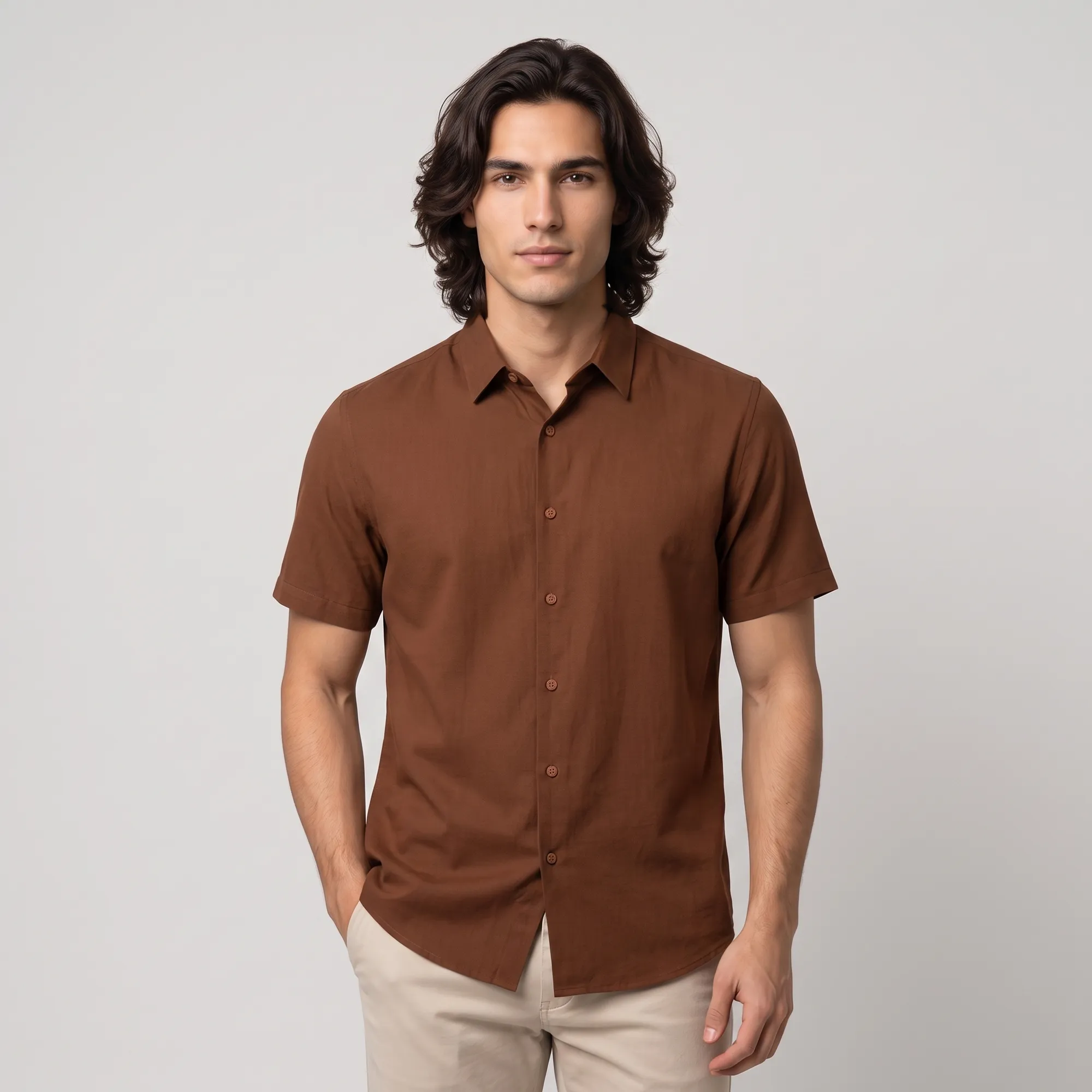 generated_1.webp
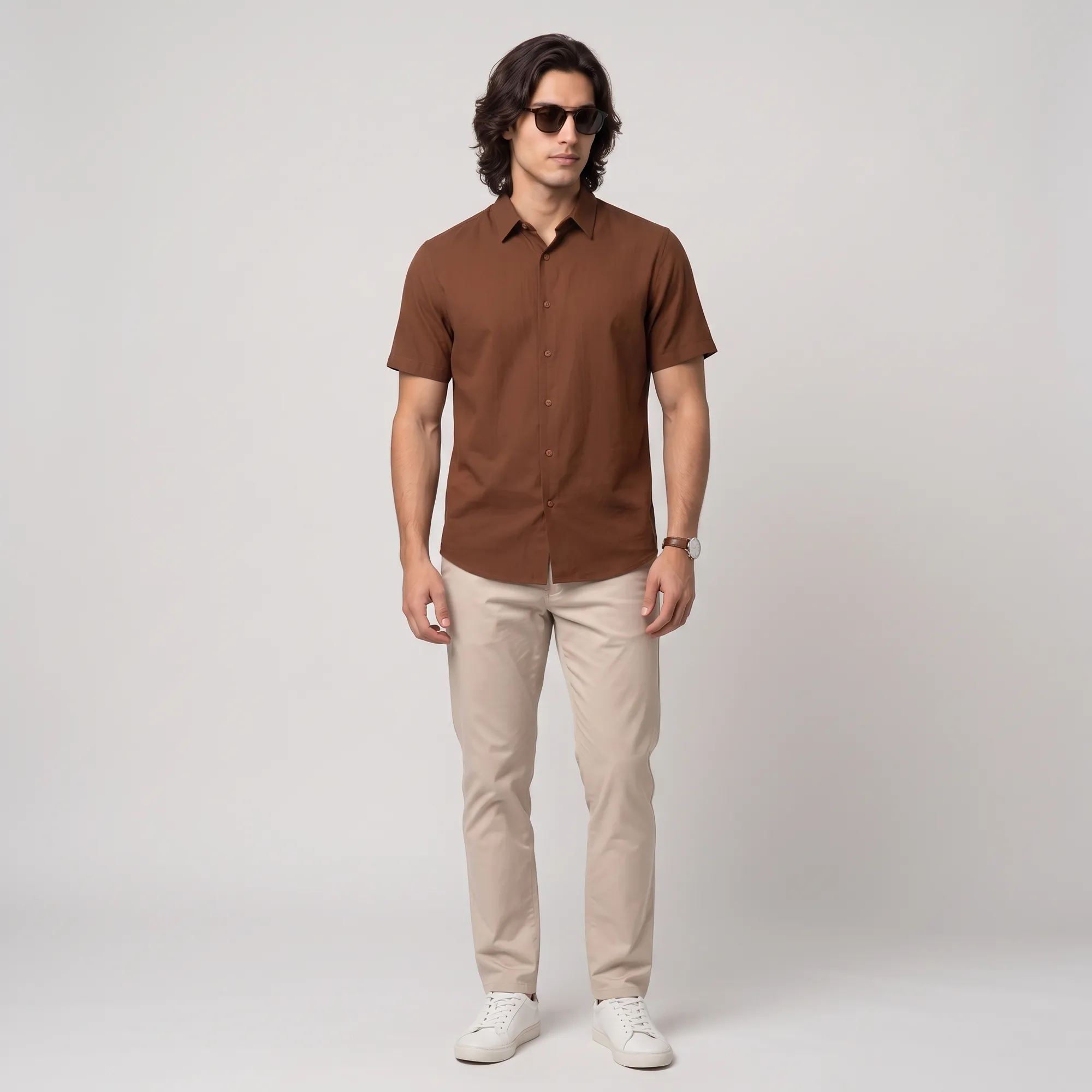 generated_2.webp
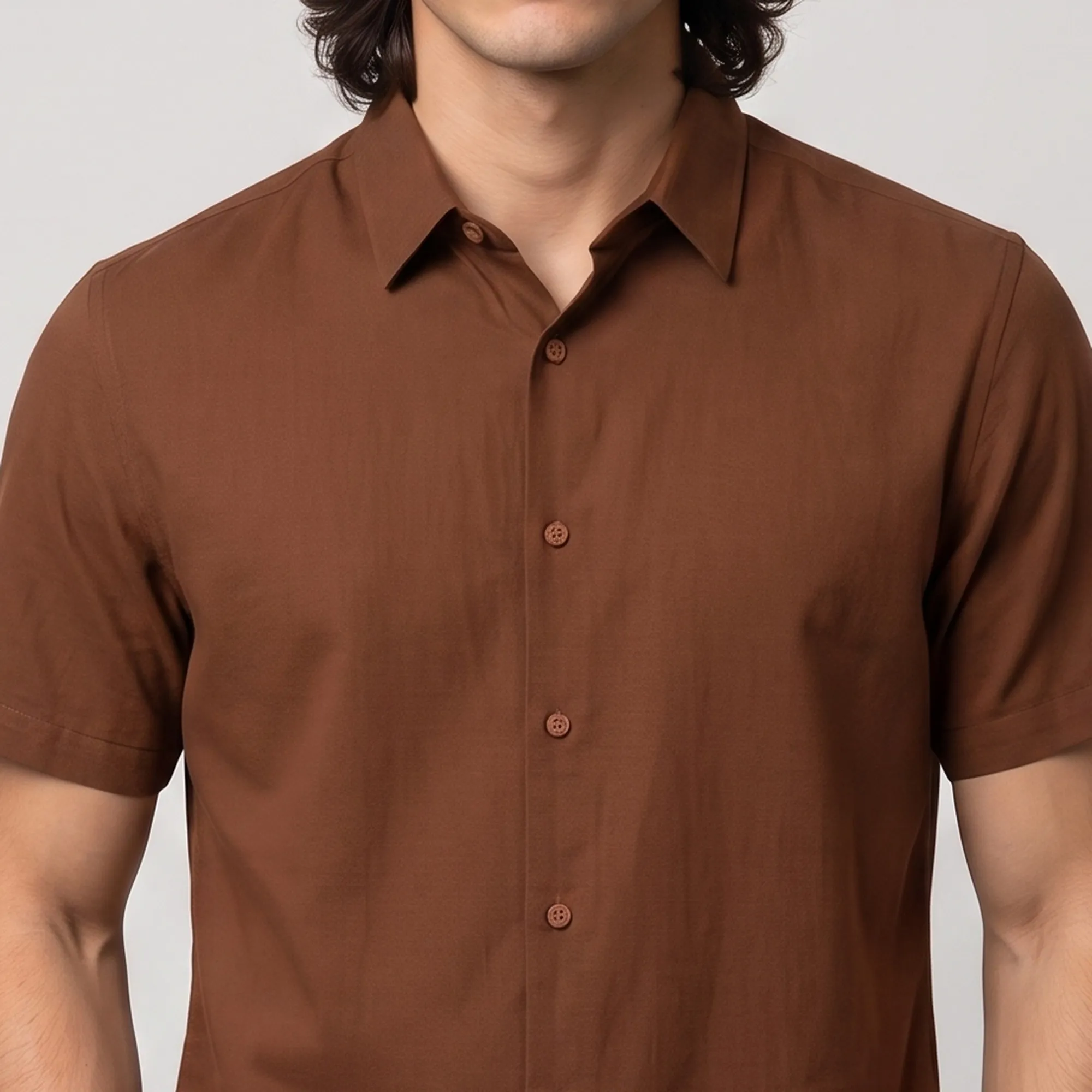 generated_3.webp
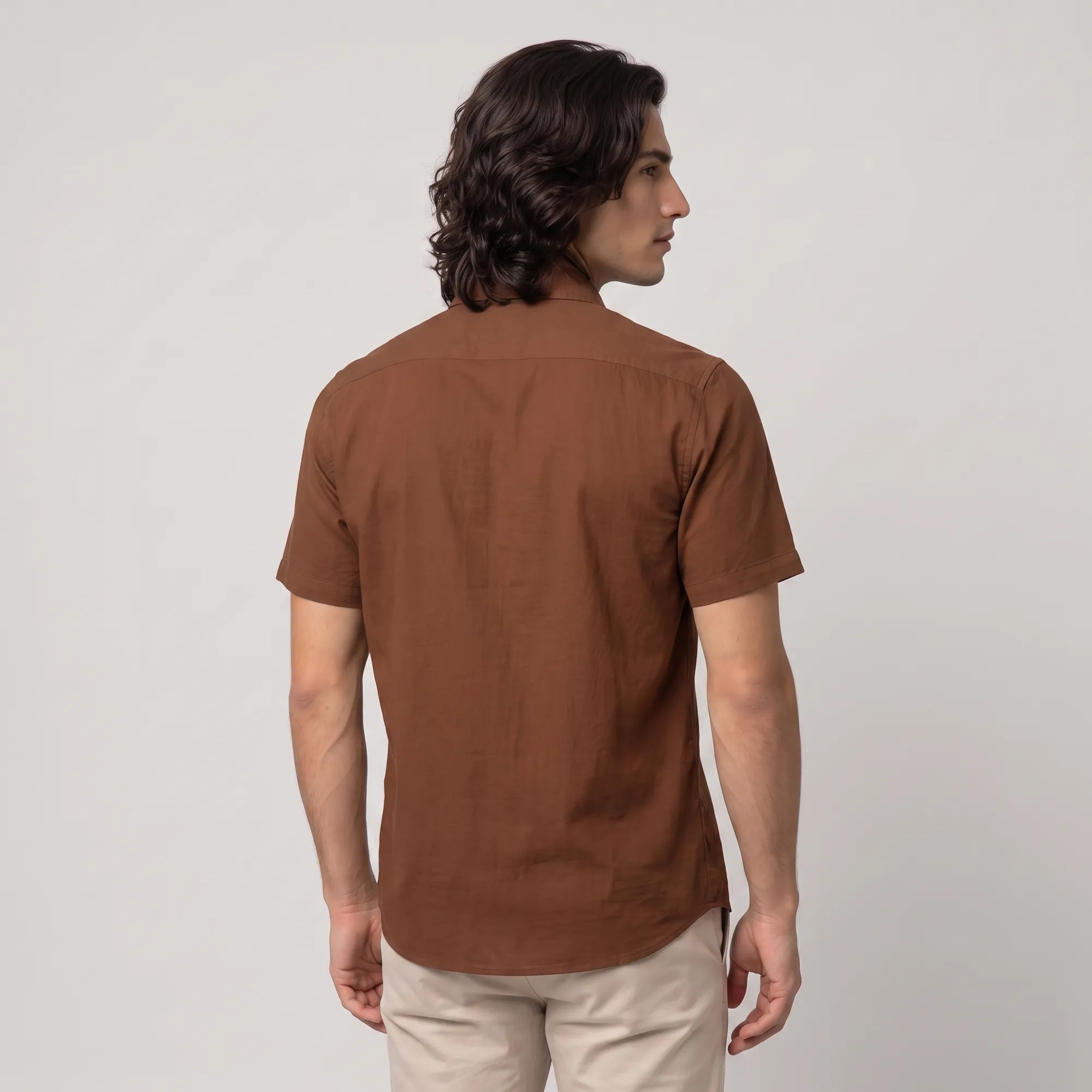 generated_4.webp
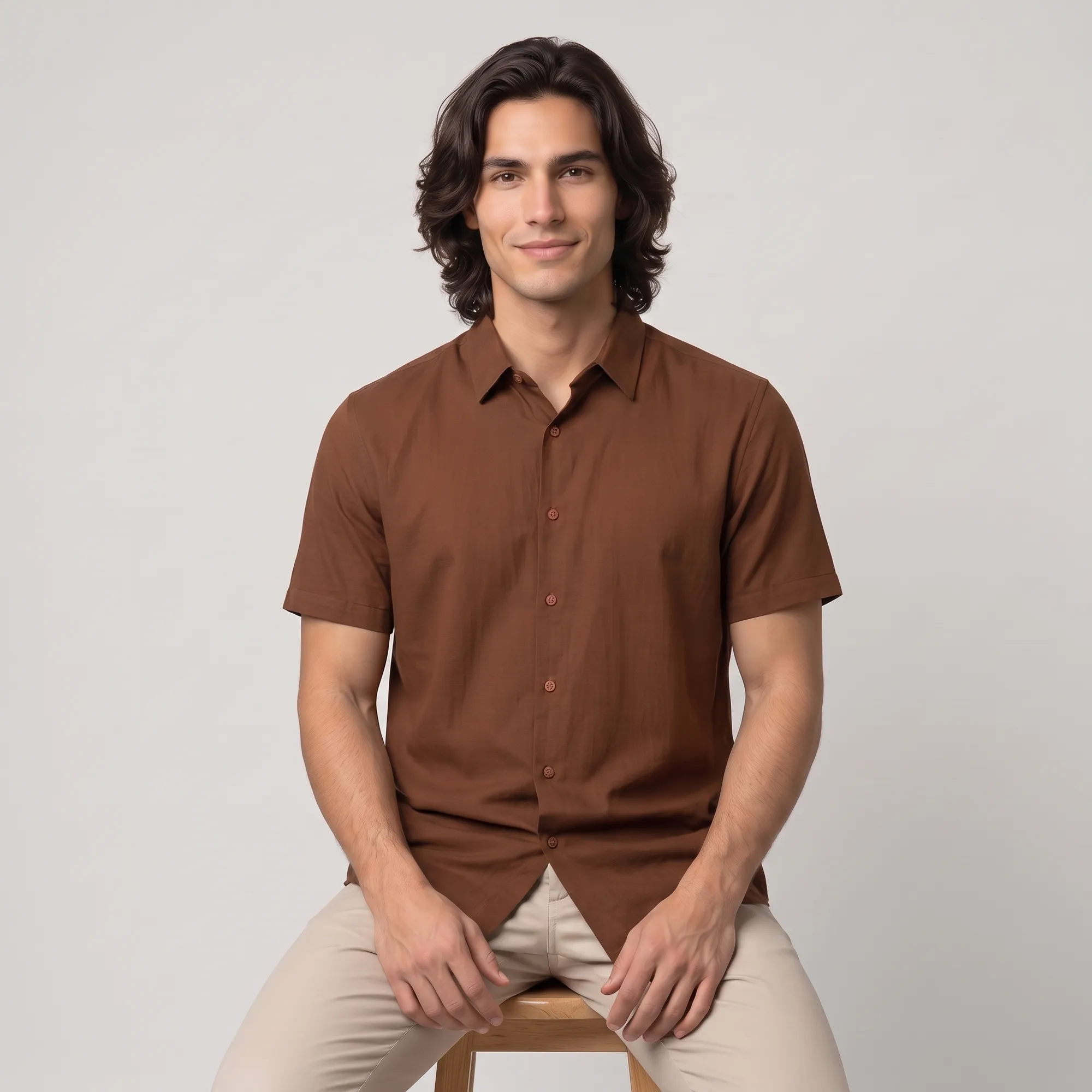 generated_5.webp
5 images ready · 52 seconds · full resolution
Showcase
Every image below started as a flat-lay on a shop floor.
Nothing in that category yet.
One upload, every channel
A launch is never one photo. The same product shot becomes your listings, your feed and your paid creative — one upload running the whole content engine.
visuals_1.webpProduct pages and marketplace listings, cut to each platform's spec and consistent all the way down the grid.
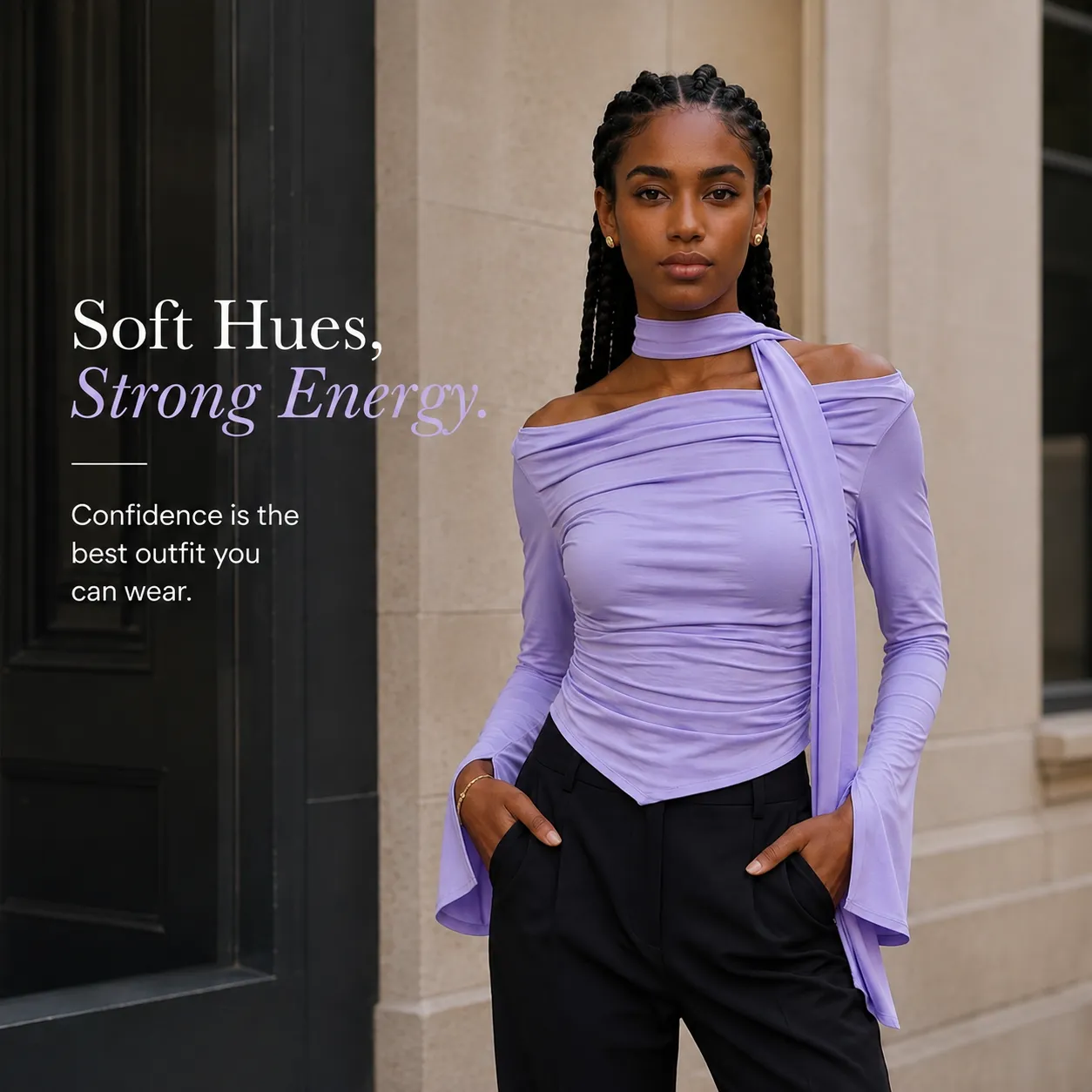 visuals_2.webp
Feed posts, Reels and Stories in every vertical and square ratio, generated from the same source rather than re-shot.
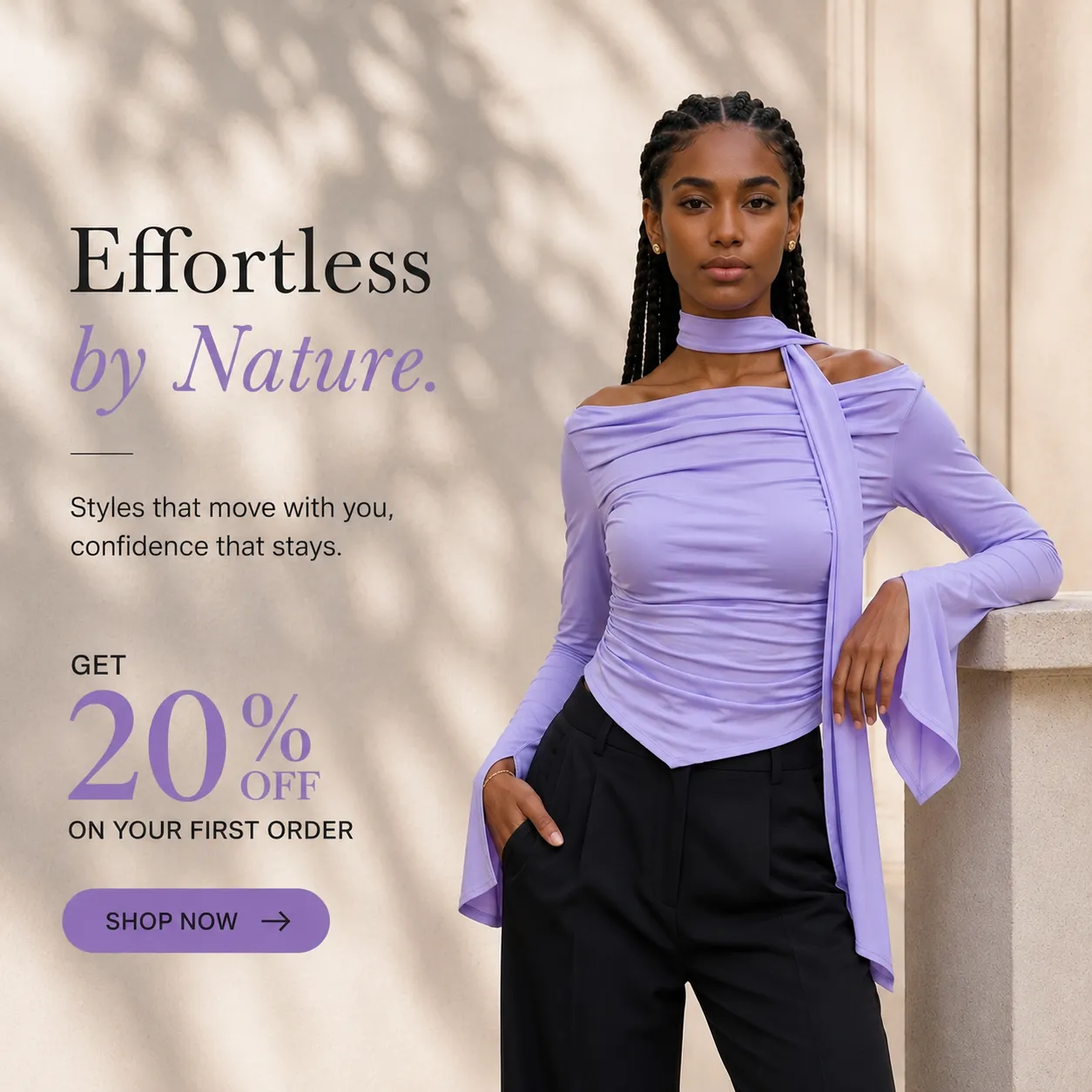 visuals_3.webp
Paid variations built to test — different framing, different backdrop, same product — delivered as one batch.
One product shot. Three channels. Same source file.
 cast_1.webp
 cast_2.webp
 cast_3.webp
 cast_4.webp
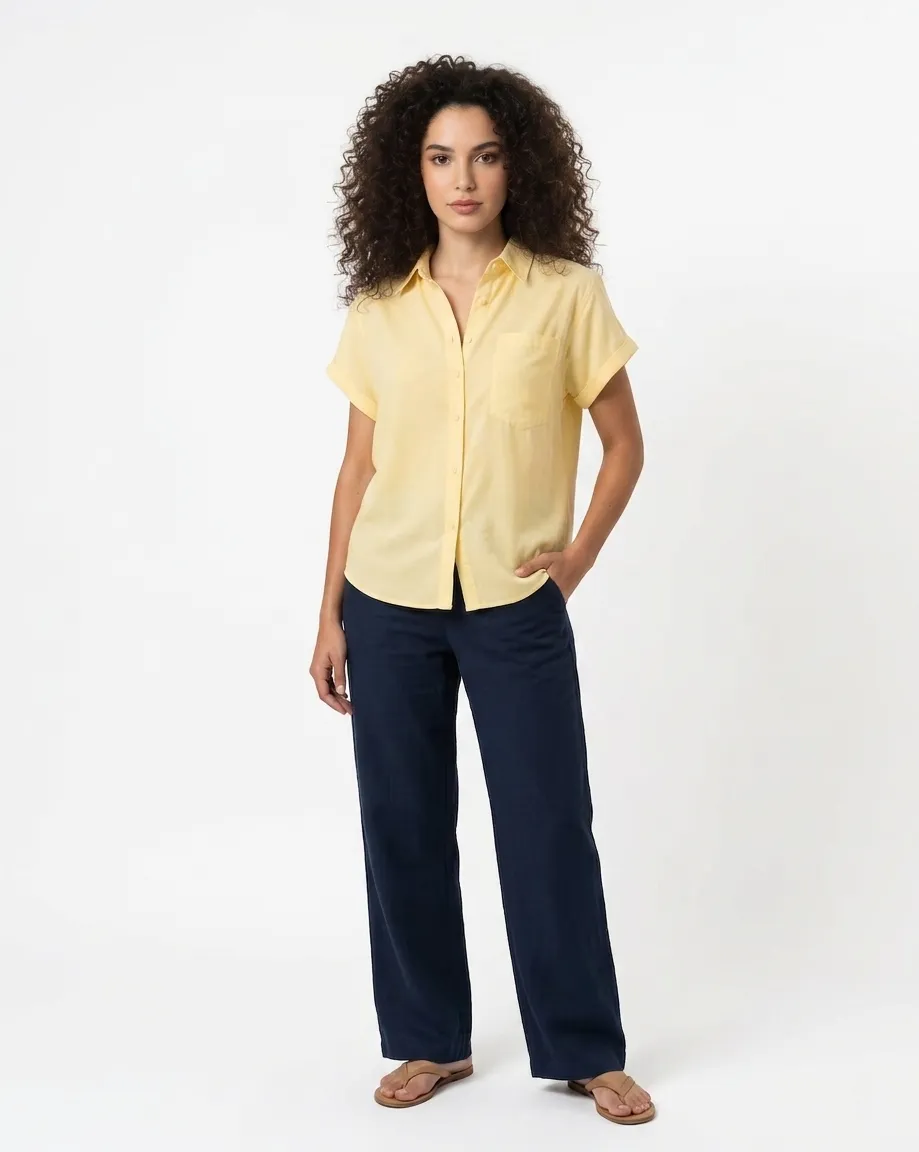
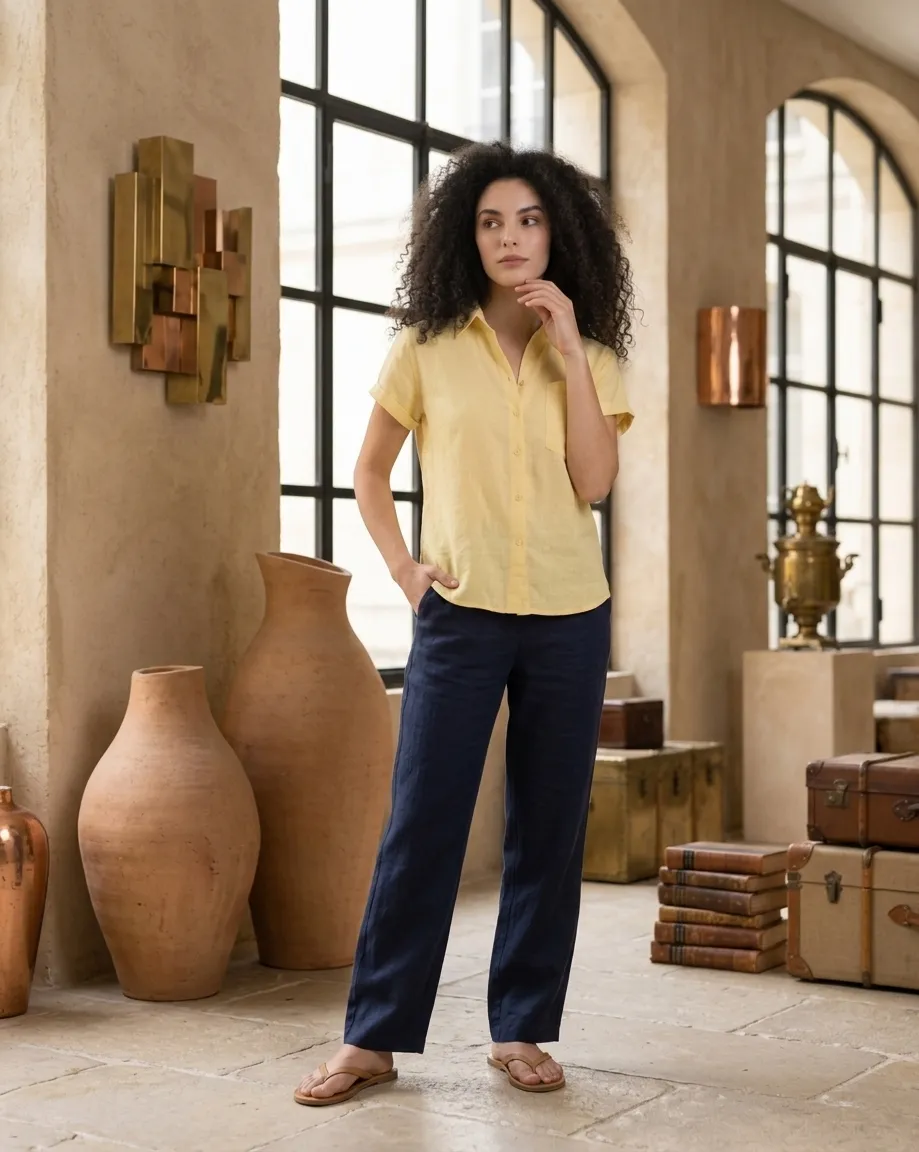
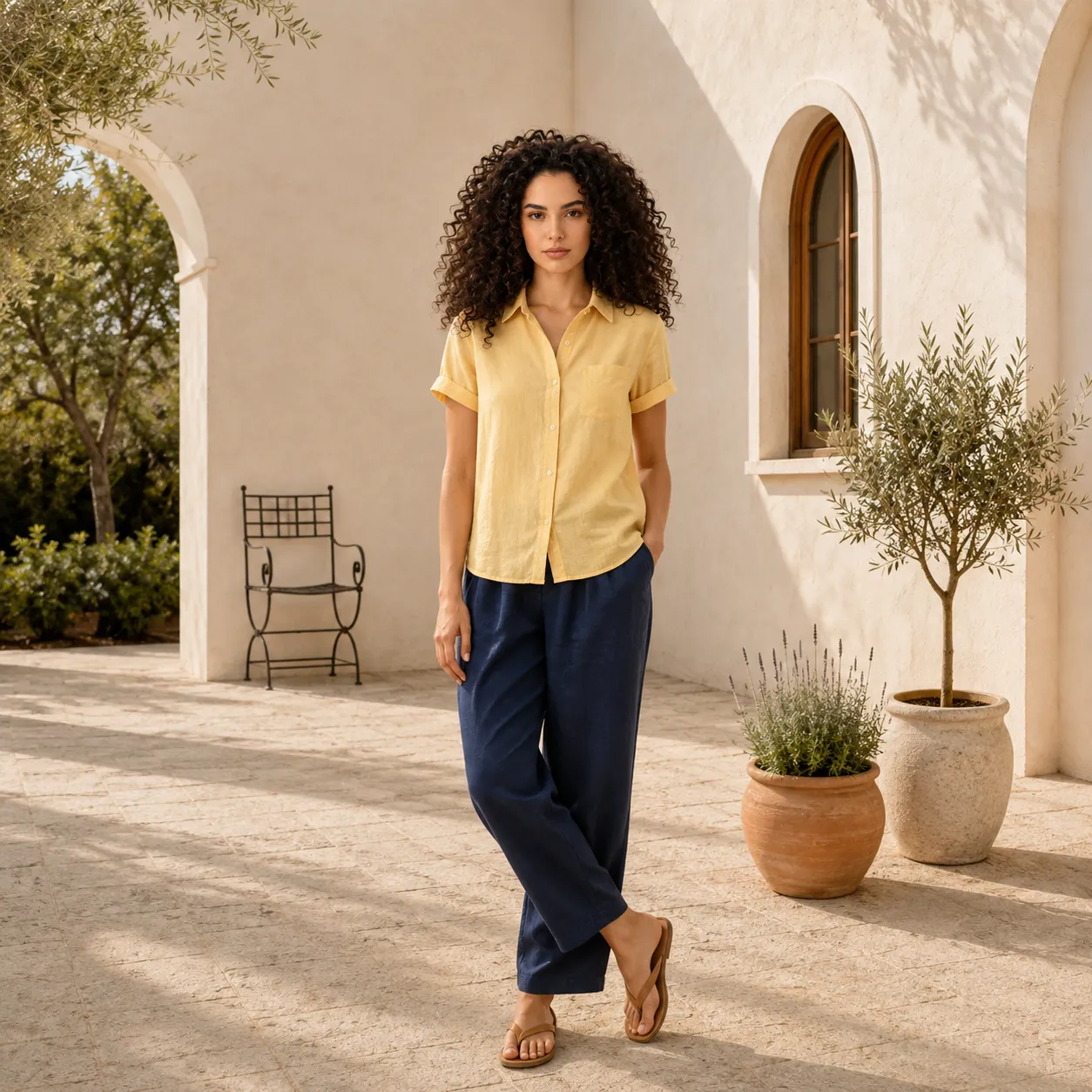
One saved brand model. Four setups. Same face every time.
Casting
The reason catalogues look cheap is rarely the photo — it's that every product has a different model, a different wall and a different white balance. Lock a model to your brand and that problem disappears.
Design Customization
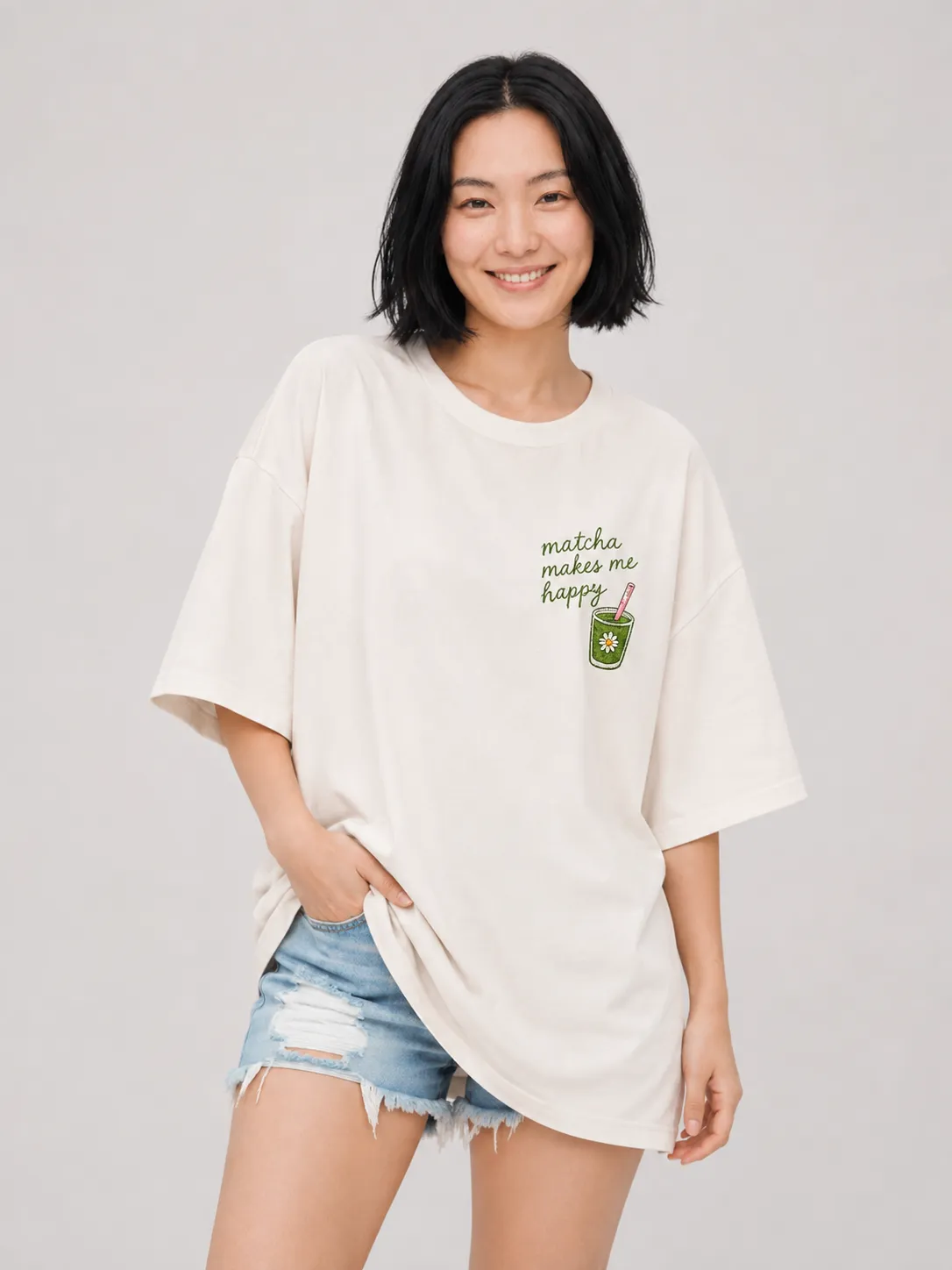
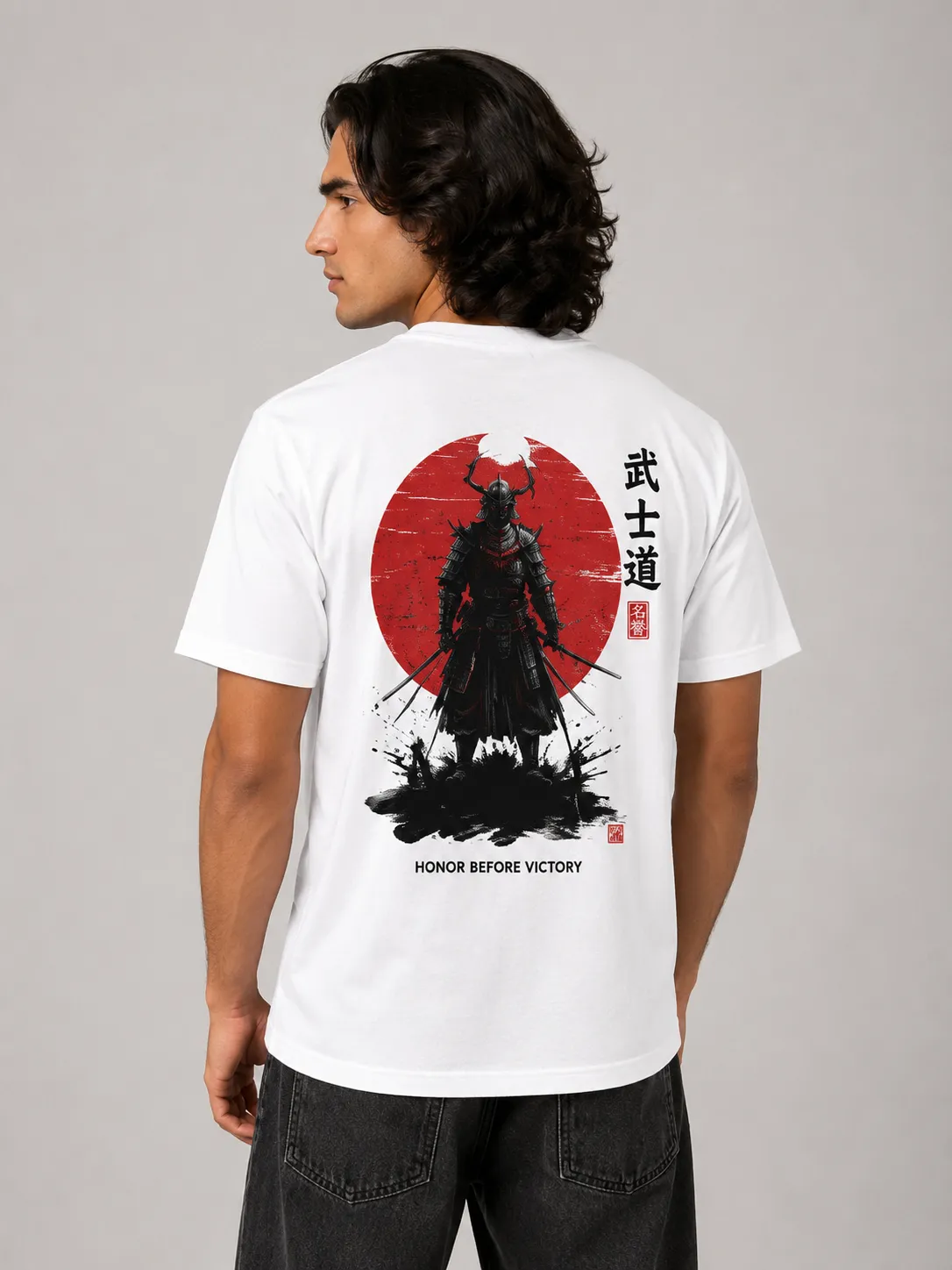
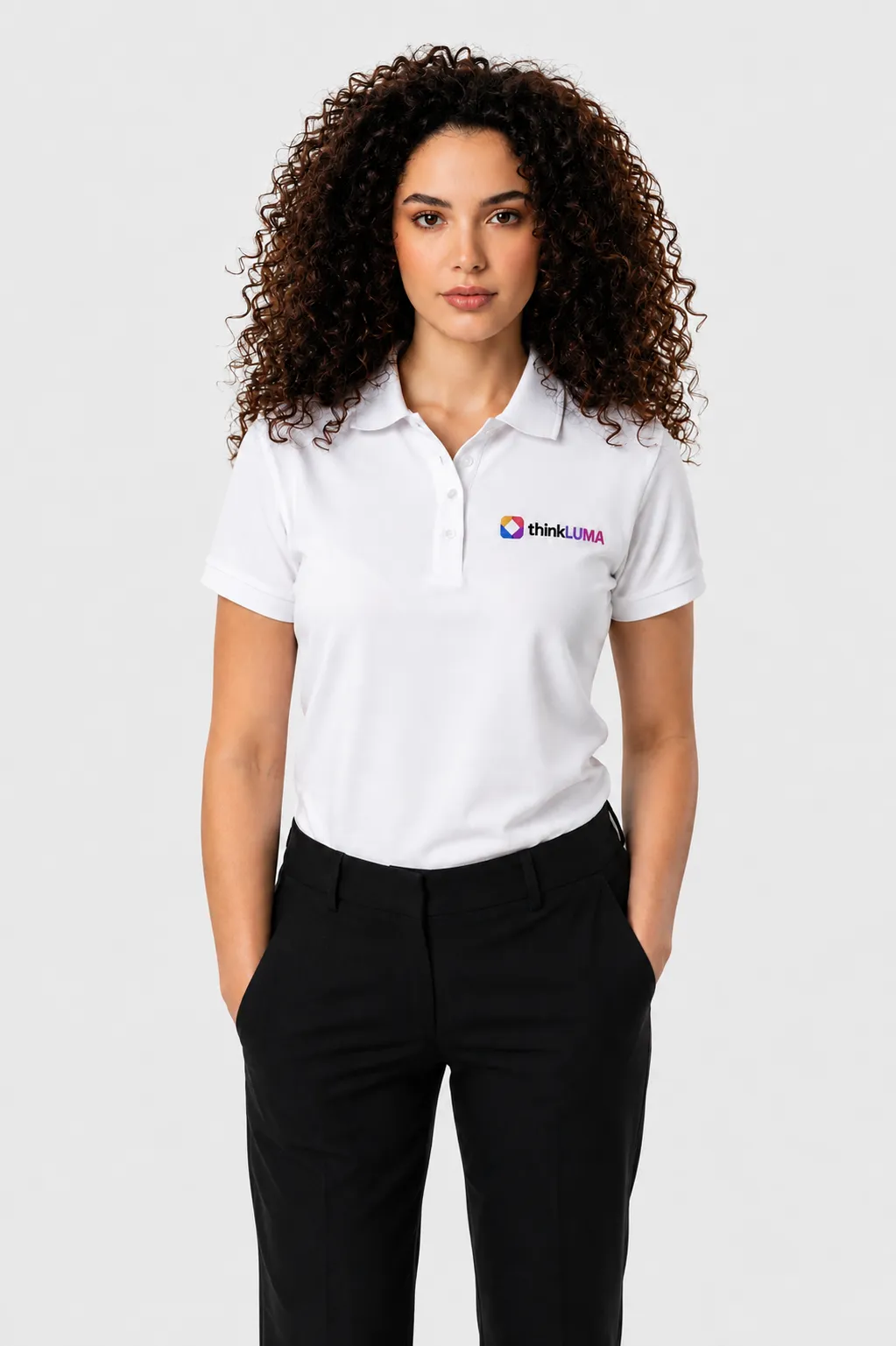
Upload a logo, a graphic or a full repeat print and thinkLUMA places it on the piece at the right scale and curvature, following the fabric. Which means you can photograph a garment that hasn't been made yet — the shortcut every print-on-demand store, merch supplier, teamwear outfitter and uniform manufacturer has been missing.
 print-logo-chest.jpg600 × 800
 print-graphic-front.jpg600 × 800
 print-allover.jpg600 × 800
 print-embroidery.jpg600 × 800
One blank tee. Four designs. No samples printed.
Every design in your store, shown on a model, without printing a single sample. Add a graphic, get the listing image, publish.
Polos, hoodies, caps and totes carrying a client's logo — approved on screen before the order goes to production.
Jerseys with club colours, sponsor placement, names and numbers. Generate the full squad from one blank.
Crests and colourways across the whole size range, ready for a tender document or a parent-facing catalogue.
AI Extract
thinkLUMA reads the garment straight off your photo and writes the whole listing — title, bullet points, long description, attribute table and search terms — tuned to how each channel actually ranks. In fifty-plus languages, with a human editor signing off before anything publishes.
Title
Ivory Linen Shirt Dress — Relaxed Fit with Belted Waist
Key features
A 200-piece drop that used to take three weeks of shooting and editing now clears in an afternoon.
No studio hire, no model day rate, no stylist, no retouching invoice at the end of the month.
Same model, same light, same crop — across the catalogue, and again next season.
Questions
It replaces the catalogue photoshoot. You send a photo of the garment on its own — flat, hung or on a mannequin — and thinkLUMA renders it on a model, on a proper backdrop, with studio lighting. The output is a finished catalogue image you can list with, usually inside a minute.
No. Most customers upload phone photos taken in the shop or the warehouse. What matters is that the garment is fully visible and the fabric detail is sharp — good daylight against a plain wall gets you a long way. If the piece is heavily embellished, a second close-up helps us keep the beadwork or embroidery accurate.
Everyday and western wear is the core: dresses, shirts, knitwear, trousers, co-ords, outerwear, activewear and denim, across womenswear, menswear and kidswear. Occasion and regional dress is handled too — gowns, abayas, kimonos, sarees and lehengas — including embroidery and embellishment. Blanks for print-on-demand and teamwear are a strong case because the garment shape is simple and the artwork does the work. Sheer fabrics and very loose drapes are the hardest, and we'll tell you honestly during the demo if your range sits in that corner.
Yes. Files come out at full resolution and pre-cropped to each marketplace's image spec, so they upload without rejections. Marketplace policies do ask that imagery represents the product accurately — which is the point of the model being trained on real drape rather than approximating it.
Your uploads stay yours. We don't train on them and we don't put them in a public gallery unless you ask us to. You can delete a garment and its renders from your workspace at any time.
You get 10 image credits, no card required. Upload two or three of your own pieces and judge the output on your actual products rather than our showcase. If you'd rather be walked through it, book the demo and we'll run it live on your catalogue.
Ten free images, no card. Or book twenty minutes with us and we'll run your catalogue live.
Get started